

Updated
Summary
A judge refused to delay Steve Bannon`s trial after the Trump ally`s about-face on testifying before the January 6 Committee. Hayes is joined live by Rep. Elaine Luria (D-VA) to discuss tomorrow`s January 6 hearing. Hayes is joined by Carnegie Endowment Senior Fellow Rachel Kleinfeld to discuss the Republicans Party`s militia problem. NBC New`s Benjy Sarlin discusses the waning power of the twice-impeached ex-president. Kansas will be the first state to vote on abortion rights after Roe reversal.
Transcript
JOY REID, MSNBC HOST: Griner`s wife Cherelle sat courtside during the game. And that is tonight “REIDOUT.” ALL IN WITH CHRIS HAYES starts now.
(BEGIN VIDEO CLIP)
CHRIS HAYES, MSNBC HOST: Tonight on ALL IN.
STEVE BANNON, CHIEF STRATEGIST, TRUMP CAMPAIGN: All hell is going to break loose tomorrow. Just understand this. All hell is going to break loose tomorrow.
HAYES: A big day for Bannon and the Oath Keepers.
ELMER STEWART RHODES, LEADER, OATH KEEPERS: We`ll also be on the outside of DC armed, prepared to go in if the President call us out.
HAYES: Tonight, what Steve Bannon has lost in court means for the January 6 Committee and beyond. And Congresswoman Elaine Luria on the committee`s hearing about domestic violent extremist groups and the broader MAGA movement.
Then, are Republicans beginning to confront their toxic Trump problem?
MARTHA MACCALLUM, ANCHOR, FOX NEWS CHANNEL: 2024 presidential election, if it were held today, who would you vote for? 44 percent Biden, 41 percent Trump.
HAYES: And new signs of resistance to a radical Supreme Court`s ban on abortion from a state you might not expect when ALL IN starts right now.
(END VIDEO CLIP)
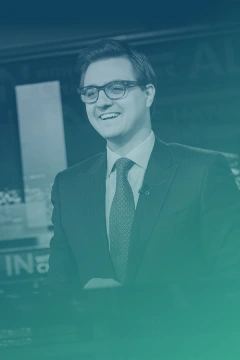
HAYES (on camera): Good evening from New York. I`m Chris Hayes. Well, the last time Steve Bannon was in this much legal peril, he was getting arrested on the Chinese billionaire`s yacht. Now, Donald Trump bailed his chief strategist out of that jam with a last-minute pardon on his last day in office. But today, Bannon has no such luck, no powerful backer to vouch for him as he faced a federal judge one week before his contempt of Congress trial is set to begin.
Now, of course, Mr. Bannon was central to the ex-president`s coup plot in the run up to the insurrection on January 6. He was a very vocal supporter of the big lie of a stolen election. But when the January 6 Committee has subpoenaed him back in September of last year, Steve Bannon essentially told him to get lost. Unlike some of the other Trump supporters who are subpoena like John Eastman and Jeffrey Clark who at least face the committee and plead the fifth over and over again, or White House Counsel Pat Cipollone who negotiated what he would and wouldn`t talk about with concerns about privilege, Bannon again just flat out refused to engage. Screw you. I`m not coming.
Because, look, if you`re Steve Bannon, it makes sense you would think. Well, I`ve gotten away with everything else so far, why stop now. I mean, this is a man who has at his core a hustler going all the way back to his involvement in a failed experiment that lock scientists in a three-acre dome back in the 1990s.
(BEGIN VIDEO CLIP)
BANNON: He`s been referred to in the past as a planet in a bottle. And word is, it`s not a direct — does not directly replicate Earth. It`s the closest thing we`ve ever come to having all the major biomes, all the ecosystems, plant species, animals, etcetera. They really tried to make an analogue for the planet Earth.
(END VIDEO CLIP)
HAYES: Biosphere 2, by the way, ended up about as good as the Trump presidency. And in any sane political and social world, Steve Bannon would be like, I don`t know, like trying to sell tourists bus tours in Time Square, or just a guy ranting at the end of the bar. But by the sheer ravenous dysfunction of the modern American right, Bannon was elevated to the right hand of the President of the United States.
That transformation began when Bannon took the helm at the far-right Breitbart News in 2012. Bannon took the site even further to the right, identifying a desire for more explicitly nationalist and bigoted conservatism. In 2016, he proudly declared that Breitbart was “the platform for the alt-right.” It also became the platform for Donald Trump strongly supporting the then-Republican nominee for president who was also embracing the very same bigotry.
And less than three months before the election, Trump tapped then to take over his campaign. Now, after Trump won, he elevated abandoned a chief strategist and senior counselor. And in that role, Bannon helped to orchestrate, among other things, the Muslim ban. He reportedly counseled Trump to not criticize the white supremacist who marched on Charlottesville, chanting Jews will not replace us too harshly.
Bannon left the White House shortly after that returning to his old job at Breitbart. Although they initially remained in close contact, Bannon and Trump both really hustlers at their core, had a falling out over Bannon`s insulting comments in Michael Wolf`s book fire and fury, which included calling that Trump Tower meeting, remember that, between Donald Trump Jr. and a Russian lawyer where they promised dirt and he said if it`s what you say I love it. Bannon called that quote treasonous, which again, not far from the truth.
Trump went on the attack. He claimed that when Bannon was fired, he not only lost his job, he lost his mind. Bannon began then an apparent scam to exploit Trump supporters for his own personal game. I`m not just conjuring this out of thin air. This is what was in the federal government as they put it in their indictment against Bannon and his co-defendants. Bannon orchestrated a scheme to defraud hundreds of thousands of donors in connection with an online crowdfunding campaign ultimately known as, and this is really an amazing name, We Build the Wall.
[20:05:08]
That raised more than $25 million to well, build a wall on the southern border of the United States. But of course, well, at least according to the government, they were never actually going to build the wall. They just took the money for themselves. Bannon received over $1 million from We Build the Wall, which he used to, among other things, cover hundreds of thousands of dollars of his personal expenses. Nice work if you can get it.
It was that scheme that resulted in Brandon`s arrest in August of 2020 on this, that`s the one you`re looking at, $35 million 150 foot yacht owned by his business associate, a fugitive Chinese billionaire. Facing charges of wire fraud and money laundering, Bannon began working himself back into Donald Trump`s good graces. Gosh, I wonder why. It`s hard to tell.
In the months leading up to January 6, Bannon played a key role whipping up Trump supporters into a frenzy about the election. On his podcast, Bannon bedecked in his two shirts, as always, incessantly promoted Donald Trump`s bogus claims of fraud and just barely stopped short of basically telling the truth about what was really happening, that they were going to foment a coup on January 6. I mean, here`s what he was saying on January 5, this is the preview offered by Bannon.
(BEGIN VIDEO CLIP)
BANNON: All hell is going to break loose tomorrow. Just understand this, all hell is going to break loose tomorrow. It`s going to be moving. It`s going to be quick. I`ll tell you this. It`s not going to happen like you think it`s going to happen, OK. It`s going to be quite extraordinarily different. And all I can say is strap in. The War Room a posse, you`ve made this happen and tomorrow it`s game day. So, strap in. Let`s get ready.
(END VIDEO CLIP)
HAYES: It sure sounds like a guy who knows more than he can say in public, a little bit of a tease as we call it in the business. The next day, the morning of January 6, Bannon was even more explicit about the plan.
(BEGIN VIDEO CLIP)
BANNON: We`re right on the cusp of victory for us not to affirm the victory of President Trump today. We would have to snatch defeat from the jaws of victory. This is not a day for fantasy. This is a day for maniacal focus, focus, focus, focus. We`re coming in right over the target, OK. Exactly, this is the point of attack we always wanted.
(END VIDEO CLIP)
HAYES: What was the target you think, Mike Pence`s neck? We also know that Bannon was involved in planning for the insurrection behind the scenes. On January 5, he was among the Trump allies who met at the Willard Hotel, the command center for the plot to overturn the election. And reporters Bob Woodward and Robert Costa discovered that Bannon had been speaking directly with Donald Trump about the coup plan.
(BEGIN VIDEO CLIP)
ROBERT COSTA, CO-AUTHOR, PERIL: Bannon had actually been in close touch with President Trump for days before January 6. Based on our reporting, he privately told President Trump to have a reckoning on January 6, and he said to the president, it`s time to kill the Biden presidency in the crib. You can`t get more visceral than that.
(END VIDEO CLIP)
HAYES: Bannon later confirmed having that discussion with the ex-president. And his efforts paid off. Bannon was one of the few Trump allies rewarded with a pardon issued and the ex-president`s very last hours in office on January 20. The charges against him for the Build the Wall scam were wiped away. But that clean slate was short-lived and no one is going to party him now.
Bannon was of course among the first people the January 6 Committee subpoenaed which makes sense given just the video that we played. When he refused to comply, the House voted to find him in criminal contempt of Congress. And the Department of Justice they`re — then brought charges against him. Now, with just one week left before his scheduled trial date facing a possible conviction and jail time, Steve Bannon is lo and behold, desperately trying to weasel his way out of trouble.
Over the weekend, he made a last-minute reversal telling the committee that he would testify. The judge on Bannon`s case is not having it. Today, he knocked down the potential defenses Bannon`s lawyers had raised and sided with the Department of Justice which called Benton`s offer in a filing last-ditch attempt to avoid accountability. The judge refused to delay Bannon`s trial which is set to begin next Monday.
Luke Broadwater covers Congress in New York Times where he has new reporting on Bannon`s attempts to testify before the January 6 Committee. Luke, it`s good to have you. First of all, just tell us what was — what was this hearing today?
LUKE BROADWATER, CONGRESSIONAL REPORTER, New York Times: Right. So, this was a motions hearing today to try to get — well, see Bannon was trying a number of defenses out trying to delay the trial, trying to offer different defenses. And the Justice Department, one by one, won on basically every motion. So, Steve Bannon left the courthouse and his attorney said something along the lines of how are we even going to put up a defense when we can`t get any of our arguments.
So, it was a pretty resounding big victory today for the Justice Department. And I think it showed that this last-minute attempt by Steve Bannon to say that he was now willing to cooperate at the last minute after fighting the subpoena tooth and nail for many months was seen as a ploy by both the Justice Department and the judge. And in fact, the Justice Department argued successfully that this was essentially irrelevant. That he — the crime had already been committed when he failed to show up for his subpoena.
[20:10:36]
HAYES: Right.
BROADWATER: That there wasn`t sort of a do-over that he could do right now.
HAYES: Yes, I want to — there`s an amazing moment happened. So, you know, he wants to argue — basically, there`s a hearing here about delaying the trial and also what defenses he can mountain. One of the defenses he wants to mountain is look, I can`t talk because of executive privilege, right? That`s the claim he`s put forward. And they have this letter from the ex- president`s lawyer saying like, we don`t — there`s no privilege claim from our end here.
And so, Judge Nichols write a follow-up from Trump Attorney Justin Clark which stated in his initial letter, “didn`t indicate that we believe there is immunity from testimony for your client.” Meaning the guy you`re claiming privilege on behalf of says no good. As I indicated the other day, we don`t believe there is. So, when Benton`s lawyer David Schoen objected after the ruling, what`s the point of going to trial if there are no defenses? Nichols, the judge, simply answered, agreed.
The judge basically saying, knocking out their possible defenses one by one, Bannon`s lawyer says, well, what`s the point of a trial? And the judge says, yes, you should ask yourself that. We start a week from tomorrow. That was basically the hearing.
BROADWATER: It`s a pretty damning comment from the judge. And I think everybody realizes how much trouble Steve Bannon is in if he left this — go to trial next week. I mean, the evidence seems — it`s just seems like such a clear cut case. Now, I did hear from a couple of people that thought maybe if Steve Bannon would — were to plead guilty, and then testify fully and honestly and turn over all the documents to the January 6 Committee, that would be his best hope of avoiding jail time, that maybe the judge would look favorably on those actions.
But, you know, as of right now, basically, this whole weekend, these letters he`s been sending and the evidence he tried to put forth doesn`t seem to be working for Steve Bannon.
HAYES: Yes, I mean, that`s a great point, right? So, the judge — I mean, he`s facing actual jail time here, I mean, if he`s convicted, right? I don`t know the maximum terms of the year that he`s facing, six months, something in that ballpark?
BROADWATER: It`s two years. It`s one — it`s one year for each count. And it`s up to $100,000 fine on each count too. And, you know, as the Justice Department revealed in this filing just this morning, they had spoken with just recently, I think about a week ago or in late June, they spoke with Justin Clark, one of the lawyers for Donald Trump, who basically said that Bannon and his attorney had been misrepresenting the claims of executive privilege all along. They had not actually given them those assurances that Donald Trump actually did invoke executive privilege over his specific testimony and documents. And so, you know, that — I think that really undercut any argument they were making.
HAYES: Yes. I want to read again, from your reporting here because just to be clear here, he doesn`t show up for his deposition. And the claim they put forward is we`re not doing this because of executive privilege, right? The President has — the ex-president has a privilege claim here and I`m covered under that because I was counseling him, whatever.
That`s really legally dubious as a matter of law. But then Trump`s lawyers have come forward to say like it`s factually not true. It`s not just as a dubious fear theory, like you made that up. Here`s your reporting. Prosecutors disclosed. They had recently interviewed Justin Clark, lawyer for Mr. Trump. They said Mr. Clark told them the former president never invoke executive privilege over any particular information and materials, and that Mr. Bannon`s lawyer misrepresented to the committee what the former president`s counsel had told the defendant`s attorney.
Final question for you is, do we know where the committee is in terms of — I mean, the committee clearly still wants his testimony and particularly the documents. What`s the status of that is?
BROADWATER: The last I heard the committee was discussing how to formally respond to Steve Bannon, you know, I think there is a lot of skepticism among the members I`ve talked to. They view this as potentially a ploy. That said, Steve Bannon is potentially an important witness, you know, as the clips you played to start the show shows that he seemed has some sort of Understanding ahead of time that January 6 was going to get quite crazy. And he didn`t leave at the Willard. He talked to Trump one on one. So he does have things to say. But the question is now well, they have (AUDIO GAP).
HAYES: All right, Luke Broadwater who has some great reporting about this in the New York Times today, thank you very much. I appreciate it.
BROADWATER: Thank you.
[20:15:02]
HAYES: Congresswoman Elaine Luria, Democrat of Virginia is of course a member of the January 6 Committee. And she joins me now. And Congresswoman, first just — I want to get your response to what happened. I mean, Bannon is sort of the most prominent scofflaw where subpoenas from the committee are concerned, maybe Meadows even more so, although Meadows seems to have a more colorable claim. Your response to the judge`s, you know, utter lack of sympathy for Mr. Bannon`s argument?
REP. ELAINE LURIA (D-VA): Well, you know, what I`d say and what Luke just said before, this is — the crimes already been committed. If there`s a question of whether he showed up for a lawful subpoena, he didn`t. We need to hear from him as the Committee. He has valuable information related to the events leading up to January 6, on January 6. The guy is like a carnival barker.
I was kind of chuckling when you showed this Biodome. I didn`t know about that past episode of his career. But, you know, Steve Bannon was a naval officer. He grew up right here in Norfolk, Virginia. And it`s really interesting to think like, what trajectory did he take along his path to go through those many, you know, stepping stones that you outlined and now to be facing these criminal charges, to be defying a subpoena before Congress?
And, you know, the claims of privilege, they were never real. He had no official role with regards to the White House with President Trump during the time that we`re requesting to speak to him about. And, you know, the question remains like what did the members of the committee think about this. I mean, Mr. Bannon, he could show up tomorrow with the documents if he wants to do something in a good faith effort. But, you know, as of now, I don`t have a lot of confidence in, you know, his claims that he really intended to speak to us, or somehow these letters from President Trump have changed his willingness to provide valuable information to the committee.
HAYES: Yes. And of course, you guys have — you on the committee of show. And I mean, people have shown up and plead the fifth as is their constitutional right to do so. Like, everyone has that right. Everyone is covered by the Constitution. You can show up and plead the fifth if you believe that speaking honestly will incriminate yourself in a — in a possible criminal prosecution.
Clearly, there are members that have been — there have been people who have been subpoenaed, who feel that way, and have responded that way. That`s open to him. He just chose instead to just tell you guys to take a hike.
LURIA: His obligation is to show up. We ask the questions, and he can give a response to the questions. He can plead the fifth. But his obligation under the subpoena is to be here, show up, sit down in the chair, and we`re going to ask you the questions.
HAYES: There`s a hearing tomorrow. We understand — I believe that you and Congressman Raskin will be co-leading that hearing focusing on some of the right-wing militant groups who came to the Capitol looking for a plan for some kind of violent attack. What should we be looking for tomorrow?
LURIA: Well, tomorrow, it will be Jamie Raskin and Stephanie Murphy leading that hearing. But the goal of the hearing is to show what are the things —
HAYES: Oh, I`m sorry. You`re the week after That`s right.
LURIA: — what are the things that led up to January 6 in the sense of what was the call to action? What mechanisms were used to reach these people, to incite this violence? And, you know, what`s the Venn diagram? If you think about these violent extremist groups, the Oath Keepers, the Proud Boys, the people who you know incited violence that day. And let`s take that, and let`s create a Venn diagram with all of those people who were close to an even had roles within the White House in the administration.
And we really need to connect those dots as Zoe Lofgren said, and show what those connections were. Because I think as we paint this picture, we`ve seen, you know, what the plot was. We`ve seen elements of the plot for the fake electors, we`ve seen the power to influence the Department of Justice, the pressure on Vice President Pence. But now, we`re at the chapter of this story, the violence and how did this plot turn into a violent insurrection and an attempted coup? So, that is really the next phase of what we`ll be laying out tomorrow.
HAYES: Yes. And you don`t really have to play six degrees of separation to get from people smashing in the windows of the capitol of the President United States, even from the publicly available knowledge as we have now. Congresswoman Elaine Luria, my mistake, I`m sorry for that. But I believe that you and Adam Kinzinger will be leading our hearing soon and we will look forward to that. I appreciate it.
LURIA: Thank you.
HAYES: Coming up, they are the heavily armed far-right gangs who descended on the Capitol on January 6 the Congresswoman was just picking of, and were charged with seditious conspiracy tomorrow. We`re expecting to learn more about their connection to team Trump.
(BEGIN VIDEO CLIP)
CASSIDY HUTCHINSON, FORMER AIDE TO FORMER CHIEF OF STAFF MARK MEADOWS: I recall hearing the word Oath Keeper and hearing the word proud boys closer to the planning of the January 6 rally when Mr. Giuliani would be around.
(END VIDEO CLIP)
HAYES: Just who could testify in tomorrow`s hearing and why the right`s militia problem is just getting started next.
(COMMERCIAL BREAK)
[20:20:00]
RHODES: We have men already stationed outside D.C. as a nuclear option in case the attempt to remove the president, illegally, we will step in and stop it. So, I`ve got good men on the ground already. We`ve been doing recon there last week. And we`re sorting out what we`re going to be staging and we`ll be there. We`ll be inside D.C. We`ll also be on the outside of DC aren`t prepared to go in if the President calls.
(END VIDEO CLIP)
HAYES: Steve Bannon is not the only one who changed his tune about testifying before the January 6 Committee. That man you just heard from, Elmer Stewart Rhodes III, the leader of the far-right gang the Oath Keepers now says he wants to testify publicly under very specific conditions. He previously testified behind closed doors in an interview during which he repeatedly pled the fifth.
Rhodes and some of his fellow Oath Keepers have been charged by the federal government with seditious conspiracy, a fairly rare and serious charge for a plot alleged to block the peaceful transfer of power by force, including with a cache of weapons they had stored nearby.
Today, NBC News reported that Rhodes attempted to speak with the White House before the Sixth. It`s unclear where Rhodes offered testify stands. We do know tomorrow, we`re going to hear live testimony from the former spokesperson for that same group, the Oath Keepers during the January 6 Committee hearing, as well as an insurrectionist named Steven Ayres who pleaded to one count already where he`s charged by the federal government for entering the Capitol.
In addition to information about other far-right gangs, white — far-right white nationalist gangs involved in the planning insurrection, including the Proud Boys. As my next guest writes, “The Proud Boys and Oath Keepers did not see their strength ebb after January 6. On the contrary violence, first use a political tool now personally, mainstreamed has spread. The events on January 6 are not passed. They are Prelude.”
Rachel Kleinfeld is the author of that fantastic piece, a senior fellow at the Carnegie Endowment for International Peace, and an expert on political violence in democracies. And she joins me now.
Rachel, I really liked that piece because it helped me contextualize how to think about these two groups. I oscillate back and forth between sort of finding them like a little ludicrous and cringy and pathetic and cosplay and then genuinely menacing. And you sort of — how should we think about these groups, the role they played in January 6, the role they play now and what relationship they have to American democracy.
RACHEL KLEINFELD, SENIOR FELLOW, CARNEGIE ENDOWMENT: So, I think what`s really important to remember, because I think you`re not wrong, Chris, is that losers can be very dangerous as well. And so, these groups, these militia groups, grew after 2008. Stewart Rhodes started Oath Keepers after 2008, in response to Barack Obama. Proud boys was started in 2016 by the vice media guru who had co-founded Vice Media. So Stuart Rhodes, the Oath Keepers` leader went to Yale Law.
These are not losers themselves. What they`re trying to do is build a movement of people similar to them, and use that movement, use people who have felt left out of society to really change our democracy. And they can do that because they`re willing to use violence to achieve it and because a faction of the GOP is letting them in, is letting them gain power. And that`s extremely dangerous to this kind of a movement.
HAYES: So, your — the big insight of your piece that has resonated with me was a kind of comparative point and basically say, look, party-aligned militias which is what these things, these entities look like, particularly the role that played in January 6, you can find them all over the world. They exist. Tell me more about this as a kind of institution in other parts of the world and what it means.
KLEINFELD: Absolutely. So, this is well known from India to Iraq, parties that want to win, democratic contests, but don`t necessarily think they can win purely legitimately employ muscle in order to win. And they employ the muscle just the same way that politicians will outsource robo calls or will outsource direct mail. They outsource violence to violence specialists.
And they call those people in and they say, look, I need a little bit of help here. I need a little bit of help there, whether it`s to intimidate opposition so that people who would vote for the opposition don`t come out to vote, whether it`s to intimidate opposition candidates to get them to step down.
But in this case, it factional fight, and that`s also not unknown overseas. And what that is people who are part of a faction of one party who want to get rid of the other faction and want to take over that party, can use violence to intimidate within the faction. And that`s what we`re seeing here in America is one part of the Republican Party saying, we don`t want the Liz Cheneys, we don`t want the Adam Kinzingers, we want them out.
And so, they`re willing to use these kinds of groups, not just to try to take power over our democracy, but to also take power over this party so that if you`re conservative, you don`t have a choice. Either you vote for the Democrats or you vote for violent non-Democratic Party that supports some of your policy beliefs.
HAYES: Yes. And you noted in the piece that in Miami Dade, there`s a number of Proud Boys who appear to have entered part of the party hierarchy in that county, bringing their violent intimidation with them. That in Nevada, the director of the state`s Republican Party has been accused of recruiting powerful Proud Boys to take part in party leadership votes, intimidate candidates running from the more traditional Republican wing of the party.
And your characterization of the commonness in the — in other democracies helps clarify for me, the kind of wink, wink nudge, nudge arm`s length come to the — come to the rally, it will be wild. This kind of — that itself is not any kind of innovation or anything new, that`s precisely the way this sort of thing looks in other places that have party-aligned militias.
[20:30:12]
KLEINFELD: That`s exactly right. It`s not that the president of a country is going to call a violent thug and say, come do my bidding. What`s going to happen is the president of the country is going to call the president`s fixer. That might be Roger Stone in this case. We`ll find out more tomorrow. But they`ll call someone in their entourage who is affiliated or who knows these groups.
You see this in Venezuela with violent gangs that were preexisting. You see this in Daniel Ortega, Nicaragua. It really doesn`t matter the political right-left divide. It`s a way of gaining power through intimidation and force. And it`s just an extremely common thing overseas. We had it in America as well, by the way, with the Know-Nothing Party in the 1850s. The Ku Klux Klan had many, many elected leaders in the 1920s, from the Democratic and Republican parties. So, our own country is not immune to this history. We just tend to forget this history.
HAYES: Final point and to state the obvious, this is not generally a sign of a particularly healthy or flourishing democracy when you have institutions like this?
KLEINFELD: You know, sadly, I work on democracies that are facing real trouble. And for 16 years, democracy has been in recession all over the world. And I had my hands full in other countries. And I really never wanted to work on my own. But that`s where we are now.
HAYES: Rachel Kleinfeld, that was illuminating, very much so. Thank you very much.
KLEINFELD: Thank you.
HAYES: Coming up, Donald Trump is the clear front-runner to be the Republican nominee in 2024. But what happens if he loses the primary? Why Trump running again could be the nightmare scenario for the Republican Party next.
(COMMERCIAL BREAK)
HAYES: A big poll today that got a lot of attention. And I think people sort of buried the lead on it. So, here`s the lead as I read it. Donald Trump is a uniquely unpopular figure in American life. It`s a fact it`s borne out over and over again. At some point you would think Republicans are going to realize that and really realizing.
So, the poll I was referring to is a new one out today from the New York Times. You might have seen it. Siena College partner with them. And in a hypothetical presidential rematch between Biden and Trump in 2024, Biden comes in at 44 percent and Trump at 41 percent.
Now, keep in mind, this is a poll where the current president, Joe Biden`s current approval rating is a dismal 33 percent, not good. And yet, head to head, he still beats Donald Trump. And that`s because to state the obvious, Donald Trump is a weak candidate. He is a one-term president. He is a guy who lost the popular vote nationally twice, the last time by like seven million votes.
But in a world where Donald Trump potentially loses the 2024, Republican primary, right, what does he do? Would he endorse a Republican candidate or does he call the election rigged as he did multiple times in 2020 primary and then in the general election, and lead some kind of exodus with his base? That`s the threat Republicans are all terrified of and explains a lot of the very weird dynamics over in Republican politics right now.
NBC News Policy Editor Benjy Sarlin joins me now. Benji, you know, you and I have talked about this for years back and forth. And I was really struck by this polling because this is a huge kind of thing that you could show, even to voters, right? Voters are very motivated, particularly like base voters. They`re very motivated to win, right?
They want to get — like, show this and be like, there`s one guy you can nominate who`s going to have the worst possible chance. Maybe don`t nominate him. And I do wonder whether that message is going to get through at some point?
BENJY SARLIN, NBC NEWS POLICY EDITOR: Well, it`s an interesting question. I mean, some of this is that polling has also never felt as relevant as it — as it does — did after 2016, right? Because, Trump voters were told that entire time in the lead up that look at all these polls, Trump is going to lose for sure, and then —
HAYES: That`s right. It turned out to be totally wrong, right. So, everyone, you know, as a real — takes it with a real grain of salt. But it is true that there might be a bigger opening for someone like Ron DeSantis to make the case. Hey, look, we all love Trump, but there`s just too much baggage here. Why risk it? We all want to get rid of Joe Biden. Let`s take a safer pick.
I mean, you see, perhaps with the January 6 hearings, very few base Republicans are going to concede say, wow, this stuff — this is horrifying. We definitely should abandon Trump. We were wrong ever to support him. But you are hearing some Republicans start to whisper, maybe this does weaken him in the sense that it reminds people that if you were to run again, you would be bringing all this into a general election, whereas right now you have a lot of advantages, just focusing on a president who`s out of 33 present approval in the New York Times poll.
HAYES: Right. And you see all these — I saw a quote from — I think it was Senator Thune today who basically was trying to wave Trump off from announcing he`s running for reelection before the Midterms. I mean, if they could all make him disappear through some magic deck, like he just doesn`t exist anymore or he went to Mars whatever, they would all do it, McConnell, Thune, the whole Republican political class. Like, they would love nothing more for that, at least for this election if they could.
SARLIN: Sure. I mean, if you`ve seen quotes in private at least pretty much to this effect. There were those recordings of Kevin McCarthy after January 6 pretty much making that exact argument. And then within days, he concluded that he needs Donald Trump and he was pretty open about the reasons. He said he was walking — he told the New York Times he was walking the tightest type rope anyone has ever talked, meaning that Trump could essentially tank the Midterm elections for them if they had an antagonistic relationship to him, which of course, gets to the core problem of this, which is that you can`t just necessarily walk away from Trump without Trump taking his voters potentially with him.
He has a completely unusual place in the party in this regard, Chris, and that`s something we`re definitely all worried about. It`s a big dynamic heading into 2024.
[20:40:31]
HAYES: This is the key. And this I think undergirds so much. And you and I have discussed this for a long time. It`s that part of it, right? Play out the game. Like, let`s say there`s a contested primary and Trump starts to lose. We know what it looks like when he lost a general election. Like, what`s it look like — like, the sort of virulence of Trumpism his sociopathy and his supporters willingness to do things like what they did on January 6, means that like, even running a free and fair election in a primary context is not at all a given to me.
SARLIN: No, and it`s important to remember that he was shouting rigged and false, you know, voter fraud the entire time during his primary wins in 2016. Now, obviously, it became irrelevant, because he did end up winning fair and square by a dominant margin. But he started the 2016 campaign threatening to go independent. It was the very first question asked in the Republican debates, will you agree to support the nominee? And Trump said no. And he said it gave him “leverage” by saying no. He was well aware that this was a threat that they cared about.
Later, when it looked like there might be some opportunity to stop him at the convention from getting the nomination, he again started talking about going independent. And he said that, “millions of voters would go with him and the party would be doomed, essentially. There`s no way he would not make similar threats, I think, based on his prior behavior if it looked like there was a situation where he was about to lose to another rival. And that rival was suddenly being, you know, held up and conservative media as the new thing, as the thing everyone has to go towards.
I think, in addition to it just being a very ugly primary. I mean, we`ve shown how, you know, some of the worst attacks he leveled in 2016. Were against candidates he was friendly with until the last minute.
HAYES: Right.
SARLIN: Like Ted Cruz. You know, there`s no reason to think he wouldn`t do the same thing to a Ron DeSantis say, or a Glenn Youngkin, or whoever else run, certainly Mike Pence. So, this is just this threat that looms over the entire election for them, Chris. It`s not going to go away.
HAYES: It is the ordering condition for all calculations of Republican politics. That threat and that threat being made good because it would be so catastrophic. Benjy Sarlin, thanks so much.
SARLIN: Thank you, Chris.
HAYES: Coming up, a story that`s very important that you may not have heard of. It`s how a ballot initiative in Kansas could be the first real-world a the voting booth test case for abortion rights in post-rural America. That`s ahead.
(COMMERCIAL BREAK)
[20:45:00]
HAYES: The January 6 Committee has changed the time of tomorrow`s public hearing. It`s now going to start at 1:00 p.m. Eastern, had been slated for the morning. It will be led by Congressman Jamie Raskin of Maryland and Congresswoman Stephanie Murphy of Florida. Now, we`re expecting to hear testimony that connects militia members who stormed the capitol to associates of Donald Trump himself. MSNBC will, as always, carry the hearing live and, as always, our special coverage starts at noon tomorrow.
And then tomorrow night, tune in for our two-hour recap analyzing everything we learn with Rachel Maddow, Joy Reid, Nicolle Wallace, Lawrence O`Donnell, Ari Melber, Stephanie Ruhle, and yours truly, all live from 30 Rock starting at 8:00 p.m. Eastern. Don`t miss it.
(COMMERCIAL BREAK)
[20:50:00]
HAYES: All right, I want you to take a look at this map. It`s become a little familiar over the last two weeks after the conservative Supreme Court overturned the constitutionally protected right to an abortion. You may have seen it. We`ve used it on the show before. And it shows you where bans immediately went into effect in state after state.
The dark red are the ones that basically banned abortion. There are 16 already in total with two put on hold by the courts. The lighter red are the states in the process of putting those bands in place. Now, there`s a few states that stand out here. One that really does stand out to me is Kansas. Kansas is a very conservative state where abortion is still accessible right now. And that is due to a 2019 state Supreme Court decision which found the state constitution of Kansas secures the right of a woman to “make her own decisions regarding her body, health, family formation, and family life. Decisions that include whether to continue a pregnancy.”
Not surprisingly, anti-abortion activists and Republicans are now trying to overturn that ruling with a high-stakes ballot organizing effort. And they have tried to stack the deck in their favor by holding the vote to basically change the constitution during the August primary election, which typically draws one far fewer voters in a general election, and also will almost certainly see higher Republican turnout for their contested gubernatorial nomination.
But that said, people on the side of abortion rights are also mobilizing. And they`ve launched a public campaign, including this ad which I think is a very clever way of trying to reach voters in a deeply conservative state about the right to privacy that surrounds abortion.
(BEGIN VIDEO CLIP)
UNIDENTIFIED MALE: They call it a constitutional amendment. The truth, it`s a strict government mandate designed to interfere with private medical decisions, a slippery slope that could put more of your individual and personal rights at risk. The ballot language is confusing, but one thing is clear. Kansans don`t want another government mandate. So, on August 2nd, send a message. Say no to more government control. Vote no on changing the constitution.
(END VIDEO CLIP)
HAYES: Joining me now is the former Democratic governor of Kansas, Kathleen Sebelius. It`s great to have you on. And I`ve been following this very closely. First, maybe if you can just tell us like how present is this in people`s consciousness there? I`m a little worried that it`s going to go under the radar, although obviously, the Dobbs road news is huge.
[20:55:08]
KATHLEEN SEBELIUS, FORMER GOVERNOR, KANSAS: Well, Chris, nice to be with you. The Republican legislature is specifically and very cynically intended for this to go under the radar. This decision was made by the court in 2019. And it actually was a, you know, multi-jurisdiction effort, which started with a protest over a Kansas law in 2015.
The legislature passed a restrictive law, doctor sued saying it was overly restrictive, but they sued not under the protection of the federal constitution, but they sued under the Kansas constitution. It made its way through the court and a six-to-one Supreme Court decision. Issued in 2019, the Supreme Court justices said you`re absolutely right. The Kansas constitution actually has broad protection of individual rights. And this is a natural, inalienable right belonging to all of the citizens of Kansas, certainly including the women of Kansas.
So, very strong decision. The Republican legislature then crafted a very confusing amendment, intentionally confusing, and chose the lowest possible turnout election, a primary in a Midterm manner, not a presidential year, not anything else. So, it`s a vote in three weeks very intentionally trying under the radar. What they didn`t figure is that the Dobbs decision would come down in this kind of timely manner and really galvanized people in Kansas to take a look at what the situation could be.
HAYES: Yes, it`s interesting, because obviously, you know, you are the governor of that state. There`s currently a Democratic governor in the state of Kansas. It`s a fairly conservative state at the presidential level. It`s a very Republican state and has been very Republican for a very long time going all the way back to the founding of the Republican Party, actually.
And, you know, I thought the polling — there`s two things interesting. One, the timing of this vote suggests a little lack of confidence on the part of the people trying to push for it. And I thought this polling from the Kansas Speak survey, you know, which is again, it`s December of last year, but it says, you know, 60 percent agree women are better positioned than politicians to make choices about abortion. 60 percent agree, 14 percent disagree.
The Kansas government should not place any regulations on circumstances under which women get abortions. Agree 50, 25. Now, again, all pulling you have to take with a grain of salt, but as someone who was elected statewide with your politics on abortion, where do you think Kansans are on this?
SEBELIUS: Well, I think Kansas voters have proven that they are willing to vote for pro-choice elected officials statewide. I was an elected governor, two terms. We have a pro-choice governor right now. We have people who are elected in Kansas. The issue is not what the regulations are in place. And Kansas has pretty, you know, standard abortion regulations about parental consent and waiting periods and a whole variety of things. None of that changes.
This is really whether the Kansas legislature should be allowed to totally ban abortion without any exceptions for rape or incest. This would allow the Kansas legislature to really follow some of the other states that have totally eliminated a woman`s opportunity to make her own health choices.
And I think Kansans, if they understand what`s at risk, will oppose that kind of sweeping mandate by the government, a force birth mandate if you will. Whatever happens you`re going to carry pregnancy to term, whether you`re healthy or not, whether you`re capable or not, whether you know, it engenders, you know, your health in the future or the other children in your family. I mean, none of that matters. We will force you to carry a birth determine. I don`t think most Kansans feel that that`s what they want the legislature to do.
HAYES: There`s — as you said, this was calendered before the Dobbs decision partly because the anti-abortion politicians are thinking ahead. Because, you know, they want to be able to outlaw abortion as soon as Dobbs comes down. You said it`s been galvanized folks who are organizing the vote no movement. That`s the no vote on the constitutional amendment. Crowds of marchers turned out to rally in Wichita. Are you confident that there`s — there is a mobilization happening?
SEBELIUS: Well, tomorrow is the deadline for people to register to vote. The other issue about a primary election, Chris, is in Kansas, typically, people who are independents don`t vote in primaries, right?
HAYES: Right. You see primaries as a partisan choice, and frankly, Democrats don`t have very many primaries. So, primaries are typically Republicans choosing among multiple candidates. Our real challenge, those of us who strongly believed that a no-vote is the appropriate way for Kansas to go forward, is to make sure people know. Make sure people register and vote in August. If we can do that, I think the no votes will prevail.
HAYES: All right, Kathleen Sebelius, thank you so much for your time tonight.
SEBELIUS: Thanks for having me.
HAYES: That is ALL IN on this Monday night. “THE RACHEL MADDOW SHOW” starts right now. Good evening, Rachel.