



Updated
Summary
Jan. 6 Committee subpoenas Secret Service over texts. House passes two bills seeking to ensure access to abortion. Biden fist bump with Saudi leader draws backlash. Jan. 6 hearings highlights danger to democracy.
Transcript
STEPHANIE RUHLE, MSNBC HOST: Tonight, breaking news as we come on the air. The January 6 committee subpoenas the Secret Service after we learned texts from January 5 and 6 had been deleted.
Plus, in the wake of Roe`s reversal two abortion bills clear hurdle in the House. But confusion and desperation are growing on the state level, with more restrictions being put in place.
Then a not so secret tactic has ensured Republicans hold on to power, how voting rights are getting chipped away, and putting our democracy and danger? As THE 11TH HOUR gets underway on this Friday night.
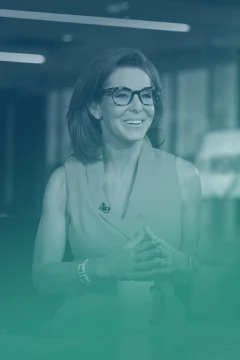
Good evening once again, I`m Stephanie Ruhle. And we have got breaking news from the January 6 committee this evening. Just moments ago, the panel subpoenaed the Secret Service over those missing text messages from January 6, and the day before.
And today, all nine January 6 committee members met with the DHS Inspector General, their focus, trying to retrieve that missing information.
(BEGIN VIDEO CLIP)
REP. JAMIE RASKIN, (D) MARYLAND HOUSE SELECT COMMITTEE ON JANUARY 6: It`s obviously an alarming thing to learn that there were Secret Service text messages from January 6 itself and also the day before that were deleted as part of a device replacement program. We don`t know what the facts are, and we`re going to get to the facts about why that happened. And we`re going to do whatever we can to retrieve the substance of those texts.
(END VIDEO CLIP)
RUHLE: And earlier today, the panel made it official Thursday 8 p.m. Eastern will be their next hearing. That is when they will reveal what Trump was or wasn`t doing when his supporters were rioting at the Capitol. The Committee is keeping the possibility of future hearings still open. And one panel member says this thing is far from over.
(BEGIN VIDEO CLIP)
REP. ADAM SCHIFF, (D) CALIFORNIA JAN. 6 SELECT COMMITTEE: We are far from wrapping up our work. The investigation goes on. And we might have had some anticipation that we would be closer to the end of the investigation by now. But the reality is witnesses continue to come forward.
(END VIDEO CLIP)
RUHLE: The Committee Chairman weighed in today on recent reporting that there are talks about pushing for interviews with former VP Mike Pence and Donald Trump himself.
(BEGIN VIDEO CLIP)
REP. BENNIE THOMPSON, (D) MISSISSIPPI JAN.6 SELECT COMMITTEE CHAIR: It would add to the body of work for the Committee. If the Vice President, for that matter, the president, two would come and tell us what they know about January 6, and everything else, so.
UNIDENTIFIED FEMALE: So are you guys thinking of subpoenaing?
THOMPSON: We`ve had a discussion, but we`ll come to a definitive answer.
(END VIDEO CLIP)
RUHLE: Also tonight, the Justice Department is backing the committee`s subpoena for former Trump White House Chief of Staff Mark Meadows. It came as part of a court filing that said former advisors to presidents who have left office are not absolutely immune from congressional subpoenas.
Last month, the DOJ decided not to pursue criminal charges against Meadows for defying his January 6 subpoena.
Today, the panel did get a chance to question the former Overstock.com CEO for over seven hours. Patrick Byrne was in a December 2020 meeting. You remember that December 18th night, when Trump and election deniers pushed to cease voting machines that wild night at the White House.
We`re also following other major stories tonight. Today, the House passed two separate bills to restore protections for abortion rights. But here`s the thing, neither Bill has the votes to advance in the Senate.
And President Biden is on his first presidential visit to Saudi Arabia. The President was criticized for a fist bump with Crown Prince Mohammed bin Salman, ahead of their meeting today. During that meeting, Biden said he brought up the murder of Washington Post journalist Jamal Khashoggi.
(BEGIN VIDEO CLIP)
JOE BIDEN, (D) U.S. PRESIDENT: With respect to the murder of Khashoggi, I raised it at the top of the meeting, making it clear what I thought of it at the time, and what I think of it now.
UNIDENTIFIED MALE: What was the Crown Prince`s response to your comments about Khashoggi?
BIDEN: He basically said that he was not personally responsible for it. I indicated that he probably was.
(END VIDEO CLIP)
RUHLE: President Biden comes home this weekend.
With that, we`ve got a lot to dig into tonight. So let`s get smarter with the help of our lead off panel. Former U.S. Attorney General Eric Holder joins us. He will be with us for the entire hour. He is the author of “Our Unfinished March: The Violent Past and Imperiled Future of the Vote-A History, a Crisis, a Plan.” Leigh Ann Caldwell joins us tonight, a live anchor with Washington Post where she is leading the coverage on the January 6 hearings and gun talks. She also co-authors the papers early 202 Morning Newsletter. And Luke Broadwater is here, Pulitzer Prize Winning Congressional Reporter for the New York Times.
[23:05:05]
Luke, the January 6 committee is now subpoenaing the Secret Service records. But here`s the thing, if the Secret Service already deleted these messages, how do they get them back?
LUKE BROADWATER, THE NEW YORK TIMES CONGRESSIONAL REPORTER: Yeah, it`s a great — it`s a great question. This has consumed the January 6 committee`s discussions over the last two days, there is some belief on the committee that there are perhaps some high tech ways to recover these messages that no message is ever truly deleted or lost.
I don`t know. You know, I`m not a tech genius. But apparently there is — there are discussions about how they could get them back. So what this subpoena is doing is it`s letting the Secret Service know very clearly, we want to do everything possible to recover these text messages. The Secret Service says this is sort of an innocent mistake that this was not a nefarious plot to delete these messages on purpose. It happened almost by accident as they were getting new phones and shifting data.
But that said, the Committee still wants these text messages. And so they are letting the Secret Service know you`re going to do everything possible to get them. And we want to know exactly why they were lost, why they were deleted, and anything you`ve done to address these problems with your data. And that`s why they`re requesting those after action reports as well.
RUHLE: Eric, do you think it was an innocent mistake?
ERIC HOLDER, FORMER ATTORNEY GENERAL: I think it`s a little early to tell whether or not it was a mistake. I don`t know whether there`s any kind of criminal liability here. But it was certainly an administrative blunder, given the fact that you had phones that apparently had information from January the fifth, January the sixth. And if there was this migration that was regularly scheduled, somebody should have said, well, maybe we want to hold off with regard to the phones that have information before January, the sixth, maybe a little after January the sixth. Migration, I`m sure is something that could have waited.
RUHLE: Well, nobody said hold off. That happened then and here we are now. How unusual is it, Eric, for this committee, part of Congress to subpoena a federal agency like this?
HOLDER: You know, it`s — I guess it`s somewhat unusual. But it also seems to me that`s a logical and appropriate thing to do here to find out exactly what were the circumstances under which these this material was potentially lost, and then to try to access that material to the extent that it can be recreated.
Now, there are depends on the state of the phones themselves, where they are, and a whole variety of other factors. But there are mechanisms, there are ways in which those things might be retrieved or in some ways recreated. So the subpoena makes a lot of sense.
RUHLE Leigh Ann, according to committee members, there`s no sign that this investigation is winding down. We could get hearings, maybe even into the fall. No doubt there`s tons of information. But if we do, don`t we need to start getting conclusions and consequences before the midterms come?
LEIGH ANN CALDWELL, THE WASHINGTON POST LIVE ANCHOR: Well, yeah, and that`s what the committee`s goal is, or at least was. But these committees have shown — or these hearings have shown that the committee keeps learning more and more information as they hold more and more hearings. So as these committee investigation has gone public, more people have come forward, who would have thought a week or two ago that the Secret Service was going to be part of this investigation? You know that bombshell testimony from Cassidy Hutchinson, directly or indirectly led to Pat Cipollone, coming in to talk to the committee.
And so what these hearings have done, which was an attempt to bring the public into the committee`s investigation has also actually advanced the committee`s investigation as well. And yeah, they have not ruled out additional hearings. They also want to do a massive 911 style report on January 6 in the lead up into it, and so they still have a lot of work to do, but they don`t have a lot of time if they really are going to wrap up around November.
RUHLE: Eric, we`ve mentioned your old department, the Department of Justice is essentially backing the January 6 committee`s subpoena for Mark Meadows. But here`s what I don`t get, they`re backing that subpoena, but they declined to charge Meadows for defying the subpoena a month ago. Can you explain what`s going on?
HOLDER: Well, it`s hard to tell exactly what the Justice Department is doing with regard to any particular witness. The filing today, though, is really a significant one. I`m not sure I`ve ever seen the Justice Department do that before, in essence, say that what the committee is trying to do is appropriate that Meadows has only qualified immunity, and that the House has met its necessary burden to get access to the information it seeks from him.
[23:10:00]
With regard to the decision not to prosecute him on the contempt itself I`ve always thought that that meant that there was something else that the Justice Department wanted to do with Meadows, that there was another angle that they wanted to pursue with him. And I may be wrong there, but my guess is that in list of people close to the president, who potentially have some criminal liability, Mark Meadows is near the top of the list.
RUHLE: Luke, the Overstock.com former CEO or as Pat Cipollone likes to call him the Overstock person. He talked to the committee today about that December 18, meeting that wild meeting at the White House. And here`s what he said.
(BEGIN VIDEO CLIP)
PATRICK BYRNE, FORMER CEO, OVERSTOCK: I was the one who pulled it together, frankly. So another reason that any charges should be made. I surprised Trump outside the Oval Office, and I didn`t really fully think inform Sydney and Mike, they knew that I might have an important meeting, but I`m not sure they fully knew what I was doing until we got there. So I just showed a bit of a jedi mind trick. I hope nobody got in trouble for that.
(END VIDEO CLIP)
RUHLE: OK, this guy`s talking about Jedi Mind Tricks. This is the same guy that the Washington Post said that December 18 meeting was housing Swedish meatballs all night. And there you have it, flanked by Mike Lindell of my pillow and Sidney Powell. What do they think they`re going to get from this guy?
BROADWATER: Well, this was truly one of the most unhinged meetings and probably the history of any White House ever. But Patrick Byrne, not only was there for this crazy meeting, where we`ve had all these different accounts of, but he was actually financing a lot of the legal challenges to the 2020 election, a lot of these sorts of sham audits and sort of crazy legal theories that you saw in the in the build up to January 6, he was the money man behind a lot of them.
So I do think he does have potentially relevant information for the committee, even though he was involved in some truly crazy stuff. I mean, the idea that they came into the Oval Office and pitch the President, on seizing voting machines, using the military to seize voting machines, is the kind of stuff that`s not normally talked about in America. And so, you know, he`s been actually quite open about his role in all of this, you know, he`s sad for documentaries, and given lots of interviews. And so it is interesting, the choice to bring him in now, in the middle of the hearings, when we are hearing a lot about that December 18 meeting. I`m not exactly sure how it fits in the total puzzle, other than as one more player who was pushing Donald Trump to do extreme things to stay in power.
RUHLE: Eric, Merrick Garland, the Attorney General is under huge pressure to act, especially as these hearings unfold, you once had his job, what position is he in right now? Should he act?
HOLDER: Well, I think that, you know, I — it`s my view that the Justice Department is in the process of acting that there is an ongoing investigation, and we see, you know, bits and pieces of it becoming public. I think, to the extent that, you know, I could offer a little advice to the folks at the Justice Department. I would say that maybe you need to find a way in which you can appropriately reassure the American people that the Justice Department is on the case.
You know, I was prosecutor started my career in the public integrity section, where we looked at and prosecuted official corruption cases, political corruption cases, and you get a feel for these things, after a while. And I got to tell you that on the basis of what I`ve heard, what I have read about this whole January 6 matter, I think we`re going to see indictments here. Now, I don`t know if they`re going to involve ultimately, the president. But I think those near to him have criminal liability, I think people outside the White House are going to be potentially indicted as well.
And as I said, that that feel that you get as a public corruption prosecutor makes me think that DOJ is going to ultimately return indictments in connection with the attempt to stop the transfer of power back in January.
RUHLE: Then, do you think these hearings that are revealing so, so much are actually helping the Department of Justice in that by the time when and if they act? More and more people don`t think that this is hyper partisan. They think this is simply a huge problem, and our democracy is at risk. This is far from saying this is hyper politicized. I mean, almost all of the witnesses have either been Trump appointees or employees and it feels like every passing day you hear another establishment Republican say enough is enough. They need to act.
HOLDER: Yeah, I think that actually helps the Justice Department. It lays out for the American people, what the nature of the plot was, who was involved. And the fact that you have as the primary sources of this information people who either worked for the president or people who are simply Republicans, belies the notion that somehow some way that what this Justice Department is doing has a partisan motivation behind it. So I think it helps in that way.
[23:15:23]
Now, what they do can complicate prosecutions and what the Justice Department might want to do going forward. But I think in terms of educating the American people, and reassuring them, that what the Justice Department ultimately decides to do, is based only on the facts and the law. I think the January 6 committee is doing the Justice Department a great service.
RUHLE: Leigh Ann, the truth matters, but only if you hear it, we say it all the time. And I want our audience to understand this week, many, many people heard this awful, awful story in Ohio, a 10 year old girl was raped, and she had to flee to another state to seek abortion services. Why did she do that? Well, we all know because Roe vs. Wade was overturned. But how did the right respond? How did they talk about the story? How do they cover it? Watch this.
(BEGIN VIDEO CLIP)
UNIDENTIFIED MALE: Primetime decided to investigate this alleged child rape. No one reported this child rape to law enforcement.
UNIDENTIFIED MALE: Not a whisper anywhere.
UNIDENTIFIED MALE: We don`t know if this story is even true.
UNIDENTIFIED MALE: We have this abortion activist, acting as a doctor with a history of failing to report.
UNIDENTIFIED MALE: We`re going to fight this to the end, including looking at our licensure.
REP. JIM JORDAN, (R) OHIO: We learned that this illegal aliens did this heinous crime.
UNIDENTIFIED FEMALE: Don`t you think his immigration status is irrelevant? I do. He shouldn`t have been in the country.
(END VIDEO CLIP)
RUHLE: I don`t even understand this. They`re denying the story. They`re weaponizing this story, this girl had to flee the state because Roe vs. Wade was overturned. That`s what the right wanted to happen. So what exactly are they doing here?
CALDWELL: Yeah, that`s an excellent question Steph. I don`t know what they`re doing. But I do know is that they thought, first, that this was — they were blaming the media as telling lies, as being fake news, when it was actually the truth. And then when they found out it was the truth, and then they transitioned their argument to saying blaming or saying the victim — or the perpetrator, saying that he should have been in the country because he is illegally here.
So, you know, the problem is, though, is that this is exactly what conservatives wanted. And they don`t really have an answer for it. But what they do have is, there`s a huge debate happening right now in Congress and in states around the country and on the campaign trail. What to do in instances of rape and incest.
And Republicans more and more likely to say that rape and incest unfortunate not to be an exception. And so this is just, you know, Democrats are continuing to highlight that hypocrisy and that extremism, of course, but also, you know, it raises real life questions for women and girls around the country.
RUHLE: It`s just extraordinary. You can have a discussion about the potential attacker and why he was in the country. And that has absolutely nothing to do with the fact that a 10 year old in the state of Ohio was unable to get safe abortion services. Those are two different and very important topics.
Leigh Ann Caldwell, Luke Broadwater, thank you both so much. Eric Holder, we`re not letting you go. Eric will be here for the entire hour, because we are going to focus on the threat to our democracy. As the January 6 panel highlights that danger, we`re going to look at attacks on voting rights around the country.
Plus, redistricting and what it means for your vote. We`re going to ask our experts if you are moving closer to minority rule in this country and break down the impact it`s having on our elections. A very special 11TH HOUR just getting underway on this Friday night.
(COMMERCIAL BREAK)
[23:23:16]
(BEGIN VIDEO CLIP)
THOMPSON: January 6, and the lies that led to insurrection have put two and a half centuries of constitutional democracy at risk. The world is watching what we do here.
REP. LIZ CHENEY, (R) WYOMING VICE CHAIR, JANUARY 6 COMMITTEE: There`s a reason why people serving in our government take an oath to the Constitution, as our founding fathers recognized democracy is fragile.
(END VIDEO CLIP)
RUHLE: The January 6 committee highlighting how fragile our democracy is and how close we came to losing it. The panel points out the former president`s big lie was designed to make people doubt their legitimacy of our elections. Here`s how his own attorney general described it.
(BEGIN VIDEO CLIP)
BILL BARR, FORMER U.S. ATTORNEY GENERAL: They obviously were influencing a lot of people of members of the public that there was this systemic corruption in the system and that their votes didn`t count and that these machines controlled by somebody else were actually determining it, which was complete nonsense.
(END VIDEO CLIP)
RUHLE: So for the remainder of this hour, we`re going to discuss the ongoing threats to democracy from the attacks on voting rights to revelations from the Jan. 6 committee, and I want to bring in our panel of experts. Top election lawyer Marc Elias, he Founded Democracy Docket, a Democratic Party voting advocacy group, and Sophia Lin Lakin, interim Co- Director for the ACLU Voting Rights Project where she helps strategize voting rights litigation across the nation, and former Attorney General Eric Holder still with us.
Eric, we are going to talk about how our democracy is working or isn`t. How people vote and how our votes are counted. But how is all of that connected to the storming of the Capitol?
HOLDER: Well, I think it`s all part of a piece in the sense that our democracy is under attack we have to understand how fragile our democracy is.
[23:25:09]
I think that we are at a real dangerous point here. And I`m not being alarmist. I don`t think I`m being hyperbolic. But I`m real concerned about the state of our democracy. You saw in January this — on January the sixth, an attempt to keep in place somebody who lost an election by 7 million votes, we have seen instances of voter suppression around the country, we have seen partisan and racial gerrymandering, we have seen attacks and the desire to have an impact on the infrastructure of our electoral system, at the lowest levels where the Republicans now are talking about, infesting the vote counters with partisan actors, something that we have never really seen before. All of this indicates that our democracy is at risk. Our democracy is under attack, and there have to be strong responses to it. If we don`t defend our democracy, we can lose it.
RUHLE: What does that look like, when you say there have to be strong responses, like what?
HOLDER: Well, I certainly think that we had the possibility of, one, with regard to the legislation that didn`t make its way out of Congress in the last session. So I would hope that we if we have favorable election results in November, that would be something that Congress might go back to. But I think also the things that Marc Elias has done by bringing lawsuits in our state courts to attack the problem of gerrymandering, after the United States Supreme Court said you couldn`t bring those cases in federal court, we made the determination that, all right, we`ll bring them in state courts and have had remarkable success, attacking the issues there. Also, bringing lawsuits against partisan and racial gerrymandering.
And also infusing in people the desire to become more civically engaged, because the reality is that a focused, committed and determined American people, that`s the ultimate bulwark against these anti-democratic tendencies that we now see in the Republican Party. As I say, in my book, it`s kind of a line. It`s not a throwaway line. But I think it`s really true. The Republicans right now just ain`t that much into democracy. You know, that is a sad reality. It pains me to say that, but I think that, in fact, is what this iteration of the Republican Party is all about. They are comfortable with the notion of minority rule, as long as they are the ones that have power.
RUHLE: Then Sophia, what happens to a democracy, when more and more people just start to believe that their vote won`t count, they`re not trusting the system, what happens?
SOPHIA LIN LAKIN, INTERIM CO-DIRECTOR ACLU VOTING RIGHTS PROJECT: I can`t think of a better way to discourage people from turning out to vote than making them believe that their vote doesn`t matter, that their voices don`t count. And that`s one of the biggest threats to our democracy. And it`s part and parcel of a larger strategy to make it more difficult for certain voters in this country to be able to access the right to vote. And there is absolutely a through line that we`ve seen, that exists between the big lie that Donald Trump actually won the 2020 re-election, the election sabotage scheme behind the January 6 insurrection, and ongoing attacks on the voting and the democratic process.
The narrative animating all of this, and fueling efforts to undermine voting rights, interfere with the electoral process, and also is fueling these new attacks and intimidation on election administrators that Eric just mentioned. So this is all rooted in racially charged allegations, suppose voter fraud, that ballot irregularities and carrots conspiracies that fueled what led to the January 6 insurrection. And will continue to fight back and we`ve done this for four centuries and effect will continue. It`s going to take a lot of effort. But I hope that people aren`t discouraged. But it is — the rollback is quite large, and the attacks are ugly as they`ve been throughout history.
RUHLE: But it`s easy to get discouraged. Marc, when you are fighting these voter suppression laws. How often do you hear the justification for trying to pass them is the big lie? The big lie that Bill Barr himself, Trump`s own Attorney General has said very clearly, it`s a bunch of bullshit.
MARC ELIAS, PARTNER, ELIAS LAW GROUP: Yeah, look, we know that the big lie motivated a lot of the litigation that we saw in the immediate aftermath of the of the November election. My team and I were involved in litigating 65 lawsuits, we won 64 of them. And we thought that that would have put to rest, the notion that somehow Donald Trump did not lose fair and square. But instead what we`ve seen is the Republican Party take the big lie and transform it into law. So we are seeing state after state after state engaged in enacting new laws and new practices that make it harder for people to vote and easier to subvert the election results.
[23:30:11]
So it`s not just that we are seeing voter suppression, but we`re actually seeing the undermining of vote counting and votes certification. Right now in Pennsylvania, there are three counties that are refusing to count ballots as part of the Republican primary for Senate that were ordered to be counted as a result of a federal court decision in the Third Circuit, a state court decision. And this is the prelude to what we are going to see in 2022 and 2024, I fear.
RUHLE: And they`re allowed, those three counties, they`re allowed to say no, just not counting.
ELIAS: No, they`re not allowed to. And they`re being sued now by the state of Pennsylvania.
RUHLE: So then, why they`re doing it?
ELIAS: They`re doing it, I think, because it is the way in which if you are a Republican today, you show fealty to a failed one term president. And the big lie is not viewed as an act of desperation, or an act of failure, but rather one of loyalty. And until the fever of The Big Lie breaks in the Republican Party, we will be fighting this fight in courtroom after courtroom and at ballot box after ballot box.
RUHLE: We`re out of time. It`s just — it`s so mind blowing to me over and over here. Well, they`re not allowed to do that but they are. In our own lives, when we do something we`re not allowed to do, we get fired. We get arrested. We get in trouble yet over and over we here in our political system in our government right now. No, they`re not allowed to do it. They just keep doing it.
We got more to cover. You are all sticking around. When we come back, we`re going to continue this conversation and why it is so important for you to go out and vote, when the 11 Hour continues.
(COMMERCIAL BREAK)
[23:36:33]
(BEGIN VIDEO CLIP)
WENDY DAVIS, (D) FORMER TX STATE SENATOR: We are being ruled by, literally, the tyranny of the minority. In states like Texas, where we have had radical gerrymandering, so that only primaries matter, and where we`ve been chopped into a majority of Republican seats. And those Republican candidates and officeholders believe that they only need to be held accountable to a vast minority of voters who are voting in primaries and deciding the outcomes of their elections. That`s how we wind up where we are.
(END VIDEO CLIP)
RUHLE: Republicans have never made this approach a secret. Strategist Karl Rove wrote about the GOP plan to take over state legislatures for The Wall Street Journal. Back in 2010, saying this, “He who controls redistricting can control Congress.” So let`s discuss, Eric Holder, Marc Elias, and Sophia Lin Lakin still with us.
Eric, we mentioned it before the impact of gerrymandering, help us really understand the consequences, what they`ve been?
HOLDER: Well, with gerrymandering, as Wendy Davis said, you are concerned – – you`re in a safe seat. And so you`re concerned not about a general election, you`re concerned about a primary challenge, which pushes you further and further to the right, and which helps explain why you see through states now, after the Dobbs decision, Republicans taking more and more extreme positions with regard to reproductive rights, it`s all to fend off a challenger who might come in in a primary session and say that you`re not being sufficiently supportive of the Supreme Court and the anti- abortion decision. That`s one practical consequence.
And so one of the realities is, if you`re concerned about that primary election, not the general election, cooperating with people across the aisle is seen as a sign of weakness. And that leads to gridlock, which leads to a lack of action by our legislatures, which leads to cynicism in the American people. And so, you know, things that the American people are generally agreed upon background checks, for instance, with regard to gun safety, even with regard to not overturning Roe versus Wade.
Again, generally, people around the country did not want to see that happen. You can see Republican legislatures do those kinds of things inconsistent with the desires of their constituents, and not suffer any political consequence. All of that is a function of — and a result of partisan gerrymandering.
RUHLE: But Sophia, in theory, both parties can try to create districts to benefit them, is this fair to lay it out that way?
LIN LAKIN: It`s true that whoever`s in power can control the reins of the redistricting process. And that`s ultimately part of the issue. At stake, you have the fox guarding the hen house, so to speak, politicians choosing their voters instead of the way it should be where voters are choosing their politicians and representatives, people that will ultimately represent their communities. And we`re seeing pretty dramatic impacts on that on both sides of the aisle, when it comes to how it impacts voters of color, or the most marginalized voters in our communities. For the most part, gerrymandering hurts them across the board.
RUHLE: Marc, you`ve been suing over gerrymandered maps for months and months, what`s the latest?
[23:40:00]
ELIAS: Yeah so, I`ve been searching for years and years. The latest is that we have two cases going before the U.S. Supreme Court cases that Eric Holder and I and our teams have been working on. And both of them are really going to be important in the next term. The first is a case out of Alabama where the Supreme Court is reviewing a victory that we had challenging the lack of a second black opportunity district. Alabama drew one seat that black voters could elect their candidate of choice. We believed that it should be two and a three judge panel comprised of two Trump appointees in a regular point, he agreed with us. That case is now before the U.S. Supreme Court. And that`s a very important case that they will decide regarding the scope of section two of the Voting Rights Act.
The other case is the big case that you hear a lot of people talking about and this fringe theory that Republicans are promoting, called the independent state legislature theory. This is out of a case out of North Carolina, where we were successful in striking down the map that the Republican legislature had drawn, which was an extreme partisan gerrymander. The state court there said that the state constitution prohibited partisan gerrymandering, and the Republicans have now brought this case to the U.S. Supreme Court on the theory that the state courts are not allowed to apply their state constitutions when looking at maps.
If this was adopted, this could have dramatic impacts not just in the area of gerrymandering, but in voting rights generally. There is no theory more closely aligned with the big lie and Donald Trump than the independent state legislature theory. It is the theory that John Eastman was peddling in the days leading up to January 6.
RUHLE: You are scaring me. All three of you scaring us, this is really, really important information that we need to understand more, and we need to care about more. You`re all staying with us. We`re going to be back in just a few.
When we come back, state Republicans around this country are pushing voting restrictions. The fight to protect the voting rights in Washington, though, it`s continuing there, what is at stake and why it matters on a local level? When THE 11TH HOUR continues.
(COMMERCIAL BREAK)
[23:46:54]
(BEGIN VIDEO CLIP)
KAMALA HARRIS, (D) U.S. VICE PRESIDENT: The so-called leaders right here in this state and in other places in the country making it more difficult for people to vote. And we know what we need to do. One of the things we need to do is pass the John Lewis Voting Rights Act and the Freedom to Vote Act. We need to elect people who will defend these rights up and down the ballot from district attorneys to state attorneys general to local sheriffs, to governors.
(END VIDEO CLIP)
RUHLE: Vice President Kamala Harris making it crystal clear that the administration`s fight to protect voting rights is far from over. Since the beginning of 2021, 34 redistrict voting laws have already been passed in 18 states, 34 more are moving through 11 state legislatures right now. Eric Holder, Marc Elias and Sophia Lin Lakin still with us to discuss.
Sophia, I know you`ve called Protecting Voting Rights, the fight of our lives. We just heard Vice President Harris talk about the John Lewis Act and another but the problem is, they`re not going to pass in the Senate. If they don`t get something through Congress, what can this administration do? Because let`s be honest, it ain`t looking good?
LIN LAKIN: Well, you`re absolutely right, that we need comprehensive federal legislation to resolve the democratic crisis that we really are in. These waves of voter suppression, these constant tax on our electoral system. There`s we need more than what we`re doing right now. At the end of the day, you know, there are the court battles that we are fighting in courts, but the administration can certainly play a part with additional rules that they are putting in place at the administrative level, in addition to joining us on the ground in the fights and battles in the courtroom as well. We are starting to see a lot more efforts in that regard, and hope to continue to see them during the fight.
RUHLE: Eric, one of the reasons Congress doesn`t move is because voters don`t demand it, even though voting rights is massively important. Unfortunately, it`s an abstract for lots of people. It`s not what they think of in terms of kitchen table issues. How do you get them to understand this and care more and demand more? Because unless voters are demanding it, Congress won`t do much.
HOLDER: Yeah, I think that`s a good observation. When we started the Democratic — National Democratic Redistricting Committee back in January of 2017, and I was talking about the importance of gerrymandering. You can see people`s eyes glaze over and figuring out, what is this all about. But when you make people understand that gerrymandering, voter suppression has an impact on their day to day lives, and now we`re seeing it in very tangible ways. A woman`s right to choose is a function of what these gerrymandered legislatures, the statutes that these gerrymandered legislatures have put in place that has been attacked. Gun safety laws that have been ruled out, overruled by the United States Supreme Court passed originally in states that do things inconsistent again with the desires of the American people.
[23:50:09]
And so you`ve got to make people understand that this isn`t something that`s ethereal, that this is something that affects their lives on a day to day basis. Everything from the right to privacy, to the safety of their communities, criminal justice, reform, climate, all of these things are directly connected. And I think if you do that, you can get the American people involved. But this has to be a multifaceted effort. We have to have the American people engaged, focus, we also have to do things legislatively. And then we have to use great lawyers like Marc to bring cases in both federal and state courts, we`ve got to win in a whole variety of ways, in order to save this democracy of ours.
RUHLE: Marc, it`s almost midnight. So how about carrying on a tradition for us and scare the hell out of our audience, when it comes to actually voting and counting the votes, a position that is getting a lot more attention and it should, is a Secretary of State. Why? Because they are usually the ones charged with running state elections. And now you`ve got a whole lot of states where candidates who want that job are people who support the big lie, who would have pushed it, who would have done what Donald Trump wanted secretaries of State in places like Georgia and other places to do that. How worried should we be with these people who could possibly get these jobs?
ELIAS: We should be incredibly worried. You know, before I was known for doing voting rights, I was known as a recount lawyer. And I`ve done more recounts and post-election litigation than probably any other lawyer alive today. And it is not just about the ability to vote. It`s not just the ability to have the vote counted, but it is the ability to have an accurate certification of the election. And we can`t lose sight of that last piece of the puzzle. Because if at the end of the day after 2022, a Democrat wins a Senate race in a state but the certificate of election is not signed by the governor and countersigned by the Secretary of State, that Senator doesn`t get seated in the house. That`s also true in the — I`m sorry, in the Senate. That`s also true in the House. And if the governor and the Secretary of State don`t sign and countersign their certificate of ascertainment than the Presidential electors don`t go to Congress to be counted.
So these roles have that people have not paid a lot of attention to about how votes are counted. And then the certification process leading up to the Secretary of State is where the action is. A lot of people in your audience are hearing a lot of things about the Electoral Count Act. Before we get to how ballots get — the electors get certified in Congress, let`s worry about how they get certified by the Secretaries of State.
RUHLE: Let`s not just worry about it. Let`s do something about it. And we`re going to pay a whole lot of attention to it, right here on THE 11TH HOUR as often as we possibly can. People don`t understand it, they don`t care. We`re going to hopefully get them to care.
Eric Holder, Marc Elias, Sophia Lin Lakin and I cannot thank you all enough. It was such an important night. Each of you made us smarter, and I sincerely appreciate it. Thanks for joining us.
HOLDER: Thank you.
RUHLE: Coming up, roasted by a reality star Jersey style, one candidates unconventional strategy to get a bump, bump, I love whoever wrote that is going to get a kiss from me after this show. A bump in the polls when THE 11TH HOUR continues.
(COMMERCIAL BREAK)
[23:57:46]
(BEGIN VIDEO CLIP)
JOHN FETTERMAN, PENNSYLVANIA LIEUTENANT GOVERNOR: This is John Fetterman. It`s a fundamental choice that we have here. I only got involved in politics to make my town then Pennsylvania better, safer place. He just moved here to run for office.
Dr. Oz moved in with his mother-in-law to qualify for the race.
Do you want someone that`s all about North Jersey? Look, he`s not one of us. He says he`ll fight for working people. OK, hey doc Hollywood. Save your money. Pennsylvania is not for sale. I`m John Fetterman. And I approved this message.
(END VIDEO CLIP)
RUHLE: You had to know I was going to cover this story. The last thing before we go tonight, trolling Dr. Oz. If you`re willing to move in with your mother-in-law, you must really want to win. Pennsylvania`s Lieutenant Governor, you saw him right there, John Fetterman. He`s been unconventional from the start. OK. A very unconventional candidate for the U.S. Senate. At six foot eight this western PA native. He is known as a straight shooter. He`d rather wear hoodies and shorts. I`m going to guess jorts over the traditional suit and tie.
Fetterman and his team also know very, very well how to use Twitter to their advantage. They like to enlist the help of memes and some pretty clever clap backs. Most of them are usually aimed at his Republican opponent TV personality Dr. Mehmet Oz.
Well, The Daily Beast recently asked Fetterman if he controlled his way to the Senate. And he responded. I mean, we sure are trying, and he certainly is. One of his frequent attacks against us is for living in Jersey before crossing lines to run for Senate as he said right, they`re moving in with his in laws. He is now selling Dr. Oz for New Jersey bumper stickers on his website. And he even had a plane fly this banner over the Jersey Shore last weekend that said, “Hey Dr. Oz Welcome home to New Jersey, Love, John.”
The Jersey Shore theme continued this week when Fetterman enlisted one of my home State`s most famous reality stars. You need to watch this.
(BEGIN VIDEO CLIP)
NICOLE “SNOOKI” POLIZZI, TV PERSONALITY: Hey Mehmet. This is Nicole “Snooki” and I`m from Jersey Shore. I don`t know if you`ve seen a bit before. But I`m a hot mess on a reality show basically, and I enjoy life. But I heard that you move from New Jersey to Pennsylvania to look for a new job. And personally I don`t know why anyone would want to leave Jersey because it`s like the best place ever. And we`re all hot messes. But I want to say best of luck to you. I know you`re away from home and you`re in a new place, but Jersey will not forget you. I just want to let you know I will not forget you. And don`t worry, because you`ll be back home in Jersey soon. This is only temporary. So good luck. You got this and Jersey loves you. Mwah.
(END VIDEO CLIP)
RUHLE: Back to the New York Times and just about everybody else picked up “Snooki” cameo, Fetterman tweeted, we like to have fun here.
And on this Friday night, we like to have fun here too. So “Snooki” may be signing off from Seaside or wherever it is that she`s on the Jersey Shore. And here I am at home on the Jersey Shore. And I`m wishing all of you a very good and very safe night. From our colleagues across the networks of NBC News, I want to thank you for staying up late with us. I`ll see all of you next week.