






Last week, I stood alongside my Congressional Progressive Caucus colleagues at a news conference on the debt limit deal that, at the time, was still being negotiated by President Joe Biden and House Speaker Kevin McCarthy. Speaking to a room full of reporters, we rattled off the seemingly endless harm that MAGA Republicans’ bad deal would cause to vulnerable Americans. I opposed that bill when the House voted Wednesday, but it still passed. President Biden signed it into law Saturday.
It is not lost on me that had I not received the very federal assistance the GOP wants to cut, I might not be in the position I am in today.
As I reflect on the events of the past week and the details of the debt limit bill, it is not lost on me that had I not received the very federal assistance the GOP wants to cut, I might not be in the position I am in today.
Decades before I came to Congress, I was a single mom raising two boys. I relied on the food stamps program, as the Supplemental Nutrition Assistance Program, or SNAP, used to be called, to put food on the table for me and for my boys. At no point did I consider such assistance to be anything but a bridge over troubled waters. Without that lifeline, I don’t know how I, or my boys, would have gotten by.
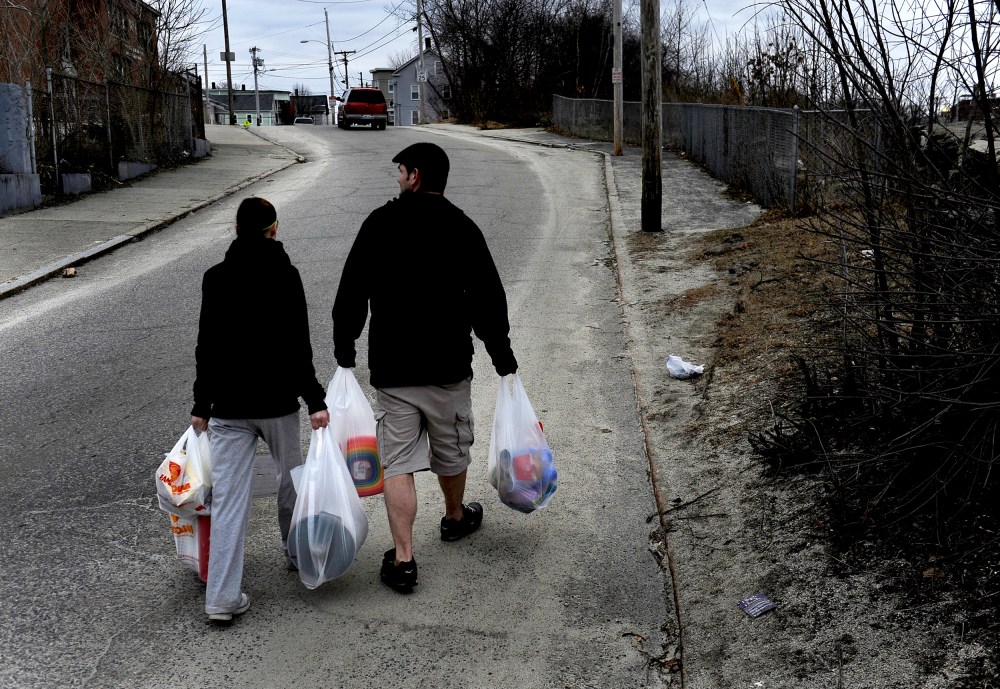
Protecting SNAP benefits should be a nonpartisan issue. We are the only developed nation with such a pervasive hunger problem. More than 34 million Americans, including 9 million children, suffer from food insecurity. Four in five SNAP households include a child, an elderly individual or a person with a disability, and overall more than 65% of SNAP participants are in families with children.
The Republican narrative, though, is that people receiving such assistance are choosing it over employment, and that they must be made to work in order to receive SNAP benfits. According to a Department of Agriculture report published this year, “In fiscal year 2019, 42 percent of all SNAP participants lived in households with earned income.” At the same time, only “72 percent of eligible working poor people participated in SNAP” that year. Unfortunately, the bill that has now passed both the House and Senate includes language that is based on the myth of the lazy public assistance recipient.
Imposing rigid work-reporting requirements will harm my constituents, and the majority of those harmed will be single mothers and Black and brown women. Decades of research shows that taking basic assistance away from people who do not meet rigid work-reporting requirements does not increase the number of people who are employed. We live in the richest country in the world. No one should ever have to worry about where their next meal will come from.
Food stamps was the lifeline that I needed to keep me and my boys fed. Unfortunately, I saw many examples of how difficult life can become for those who lost access to those lifelines or never had them in the first place. I received food stamps while I was a master’s student in psychiatric social work at the University of California, Berkeley.

At a community mental health center I founded while a student at Berkeley, in walked a young African American woman who was a survivor of domestic violence and contemplated ending her own life. She was unemployed, her public assistance had stopped and she had three hungry children to feed. She needed mental health care, but even more than that, she needed a country that didn’t leave its most vulnerable people behind to fend for themselves. When I eventually went into politics, I did so to try to change the socioeconomic and political systems that created much of the havoc clients like that young woman faced.


As the debt limit bill illustrates, Republicans choose to turn their backs on people in need at every opportunity. They are the first to blame mental health for gun violence, are always claiming people can lift themselves out of poverty, but when they put forward their budget priorities, social services that aim to help communities address those epidemics are always the first on the chopping block.
As the debt limit bill illustrates, Republicans choose to turn their backs on people in need at every opportunity.
Their cuts aren’t just limited to SNAP. Policies that make it more onerous to get access to these programs only serve to take health care and food assistance away from people, which undermines the goal of improving the strength and well-being of our economy and workforce.
To add salt to the wound, the GOP’s cuts don’t just chip away at the safety nets that keep Americans from hitting rock bottom, but they also minimize access to social workers, therapy and the mental health care that help people get through these times. In virtually every Republican budget or fiscal plan over the past decade, they’ve tried to repeal the Affordable Care Act and cut Medicaid. Both programs have been instrumental in improving access to mental health care, and reducing either would inevitably revoke mental health resources for millions.

Let’s be clear: None of the Democratic members who voted no was in favor of allowing the economic catastrophe of a default to take place. The president made the best of a bad situation and protected many key priorities of ours. But Republicans made this mess and wanted Democrats to clean it up. Their bill takes food away from folks at the bottom to protect folks at the top. My vote was not about the debt ceiling, it was about standing up to extreme MAGA Republicans holding our economy hostage and standing up for the 20 million Californians who are one paycheck away from poverty.
As I saw firsthand at my clinic in Berkeley, no amount of therapy can make up for not having basic health care or food for your children. Congress should work to ensure that Americans have a basic human right to food and to the social services they need to survive. Poverty has no party. If Republicans don’t remember that as they continue to protect the wealthiest top 1% and punish those most in need, I know their constituents will.

Rep. Barbara Lee
Rep. Barbara Lee, a Democrat, represents California's 12th Congressional District and is a senior member of the House Appropriations Committee.