








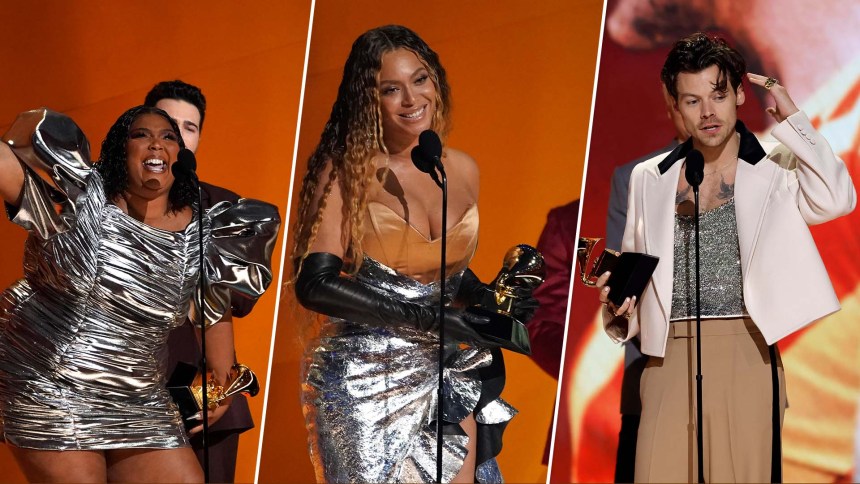
Beyoncé made history Sunday night during the 2023 Grammys, when she won four of the nine awards she was nominated for and became the first Black woman in history to win in the best dance/electronic album category. Winning that specific award also made her the most awarded Grammys artist in history, a feat for any artist, but especially for a young Black girl from Houston who has repeatedly raised the bar for herself and for the entire music industry. “I’m trying not to be too emotional. I’m trying to just receive this night,” she said after making history. “I want to thank God for protecting me. Thank you, God.”
If the snubbing of Beyoncé was happening in a vacuum, it would be less painful, but it continues a history of the Grammys overlooking Black artists deserving of recognition from its voting body.
Despite these well-deserved wins, the Grammys continued its storied pattern of excluding Beyoncé from three of the four major categories: song of the year, record of the year, and album of the year. Though she was nominated in all three categories, she once again lost, with Harry Styles winning album of the year for “Harry’s House.” And although Beyoncé has 32 Grammys statues, she’s only won once in those major categories, with “Single Ladies (Put a Ring On It)” winning song of the year in 2010. She’s been nominated in the album of the year category four times — and lost every single time.
Mind you, Beyoncé wasn’t the only Black woman awarded during the Grammys ceremony: Lizzo became the first Black woman to win record of the year since Whitney Houston won in 1994 for “I Will Always Love You.” Samara Joy took home the best new artist statue, while Viola Davis won for best spoken word album, becoming the third Black woman to win the rare, coveted EGOT. Amid all of these wins, the snubbing of Beyoncé, whose latest album, “Renaissance,” debuted at No. 1 on the Billboard 200 chart, selling 332,000 album-equivalent units in its first week, particularly stings.
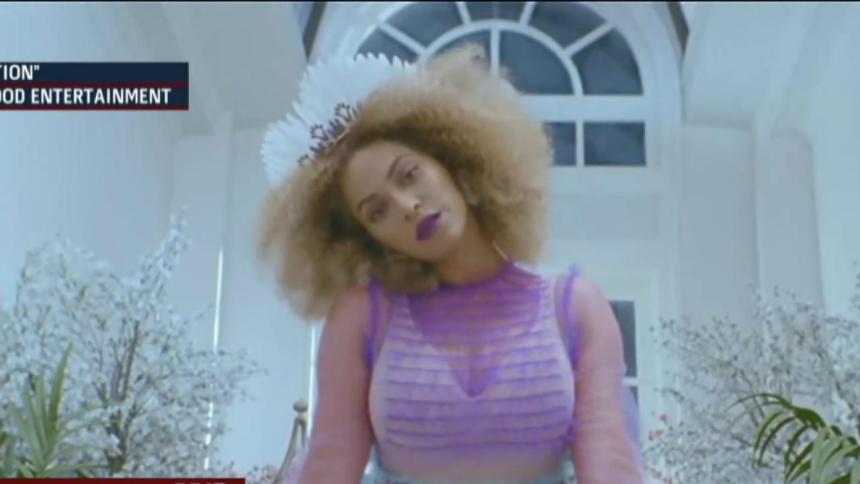
She has an unquestionable influence over the music industry: She revolutionized the surprise album drop with 2013’s “Beyoncé,” which also debuted at No. 1, though Billboard only had three days to track sales. At the time, it was the fastest-selling album in iTunes history, leading most of the music industry to embrace surprise drops and move the release date of albums from Tuesdays to Fridays. Not only is she the first Black woman to headline Coachella, but she’s such a powerhouse that she only tours football stadiums, generating upward of $200 million during her last solo tour.
Despite her popularity 25 years into her career, the Grammys still refuses to fully recognize her greatness by mostly relegating her to R&B and hip-hop categories and denying her the ceremony’s biggest award. If the snubbing of Beyoncé was happening in a vacuum, it would be less painful, but it continues a history of the Grammys overlooking Black artists deserving of recognition from its voting body. There’s a reason there’s been so much hubbub about Styles saying during his speech that “this doesn’t happen to people like me very often,” given that the majority of winners in his category have been cisgender white men, just as he is.
Notably, most of Beyoncé’s Grammys have been won in the R&B and hip-hop categories, pigeonholing her artistry even as she releases albums that traverse multiple genres. “Lemonade,” which lost album of the year to Adele’s “25” in 2017, is a R&B album, but it also includes songs in the blues, rock and country genres — all of which were overlooked during that Grammys ceremony.
It’s no surprise that viewership of Sunday’s ceremony spiked 70% once Beyoncé showed up, fashionably late, about a quarter of the way through the broadcast.
“Renaissance,” a bombastic, flawless ode to the Black queer innovators who created house music, is a one-of-a-kind piece of art, another example of Beyoncé resetting the bar for herself and her peers. Her sampling of artists such as transgender commentator TS Madison and deceased artist Teena Marie have elevated their work to the mainstream, and led them to receive Grammys as well. Her musical genius is often acknowledged and marveled over, but never enough to triumph over the white competitors in her categories. In 65 years, only 11 Black artists have won album of the year. Lauryn Hill, Natalie Cole and Whitney Houston are the only three Black women who have won in this category. (TLC, Mariah Carey and Janelle Monáe, who were nominated in the category during different years, have all lost.)
The Recording Academy, which votes on the Grammys, has been attempting to rectify this issue by shifting the makeup of the voting body to be more inclusive. In 2021, the Academy invited more than 2,700 new music creators into its body, 48% of whom were female, 32% of whom were Black, 13% of whom were Latinx, and 4% of whom were Asian or Pacific Islander. The Academy also publicly stated a goal of adding 2,500 women voters by 2025. “We are immensely proud of our accomplishments and the strides we’ve made toward equitable representation,” Ruby Marchand, the Recording Academy’s chief industry officer, said in a statement announcing the introduction of new members.


It’s an attempt to reckon with the Academy’s history of overlooking trailblazing Black artists, but it’s also a means of trying to keep the ceremony relevant. It’s no surprise that viewership of Sunday’s ceremony spiked 70% once Beyoncé showed up, fashionably late, about a quarter of the way through the broadcast. The Grammys specifically used the possibility of Beyoncé making history to promote the event, even handing her the 30th award at her table during the telecast after she missed the opportunity to make an acceptance speech. But the ceremony still refuses to give Beyoncé all the accolades she is due, building up the hype of her possibly winning to drum up anticipation and then waiting until the end of the ceremony to once again deny her the ultimate prize. It’s disappointing and disheartening, though unsurprising.
The Academy recognizes that it needs Beyoncé and other artists of her ilk to make its work relevant. In 2019, while accepting a Grammy for best rap song, Drake, who has won five Grammy awards, said as much. “Look, if there’s people who have regular jobs who are coming out in the rain and snow, spending money to buy tickets to your shows, you don’t need this right here,” he said. “You already won.” Since then, the Canadian artist hasn’t submitted any solo music to the Grammys, though he won an award on Sunday night as a featured artist on Future’s “Wait for U.” When an artist of the caliber and influence of Drake questions the legitimacy of the Grammys as an institution, it signals the need for reform. How else can the award ceremony remain relevant in a time when artists don’t need the backing of a record label to break through and reach fans?
And if there are voters hell-bent on humbling Beyoncé, one of the titans of the music industry — marveling over her in public while simultaneously voting against her on their secret ballots — the relevancy of the Grammys will continue to crumble. Beyoncé’s frequent collaborator, The-Dream, hinted as much in a tweet after the ceremony when he said, in part, “They super consume the album, they come to the concerts because she’s amazing, but when it’s award time they get on the phone and gather, and oh do I mean gather!”
Academy voters, who spoke with the condition of anonymity to Variety, appeared to confirm this theory. One voter was quoted saying, “With Beyoncé, the fact that every time she does something new, it’s a big event and everyone’s supposed to quake in their shoes — it’s a little too portentous.” Another voter said, “I didn’t vote for either Adele or Beyoncé in any of the top categories. I love Beyoncé’s album and have been a fan of Adele, but I feel that they have already won a lot of Grammys.”
Beyoncé should be rewarded for breaking the mold, for pushing music forward. Instead, it’s possible she’s being penalized for the biggest triumphs of her career. If the demand for her forthcoming Renaissance World Tour is any indication, she’s not done changing the game or reshaping the music industry in her image. Despite the snub, true fans know one thing remains true: It’s impossible to break Beyoncé’s soul.