







This is the Feb. 17, 2026, edition of “The Tea, Spilled by Morning Joe” newsletter. Subscribe here to get it delivered straight to your inbox Monday through Friday.
I remember the moment I realized Barack Obama could win the presidency in 2008.
The freshman senator from Illinois had followed his February kickoff with a massive fundraising haul in the first quarter of 2007.
Then came a New York Times story months later detailing how he was investing that money in ground operations throughout Iowa and New Hampshire.
As a politician who relied on grassroots campaigns, I never trusted fundraising numbers as much grassroots operations. Obama focused on his ground game early — and won the presidency because of it.
Jesse Jackson had helped write that political playbook decades earlier. A trailblazer in grassroots organizing, Jackson used his 1984 presidential campaign to mobilize voters and contribute to the Democrats’ shocking takeover of the U.S. Senate two years later— during the height of Reaganism.
Jackson’s success led to the Rev. Al Sharpton’s presidential campaign in 2004 and Obama’s in 2008.
For all Jackson achieved as a civil rights leader, his most enduring contribution may have been expanding the boundaries of American political possibility — helping pave the way for our country becoming the first majority-white nation to elect a president of color.
While the civil rights movement suffered painful setbacks in the final years of Jackson’s life, the coming era is likely to be defined more by his trailblazing achievements than by the bigoted, xenophobic ideology now gripping the far right.
Jackson spent a lifetime telling Americans to keep hope alive. Both history and the future are on his side.
“He kept the dream alive and taught young children from broken homes, like me, that we don’t have broken spirits.”
— The Rev. Al Sharpton on Rev. Jesse Jackson after his death this morning

ON THIS DATE
On this day in 1971, the Volkswagen Beetle overtook Henry Ford’s Model T as the most-produced car ever made.
Sixty years and 21 million Bugs later, the final original Beetle rolled off the line in Puebla, Mexico, on July 30, 2003.

American Association of Advertising Agencies
A CONVERSATION ABOUT REV. JESSE JACKSON
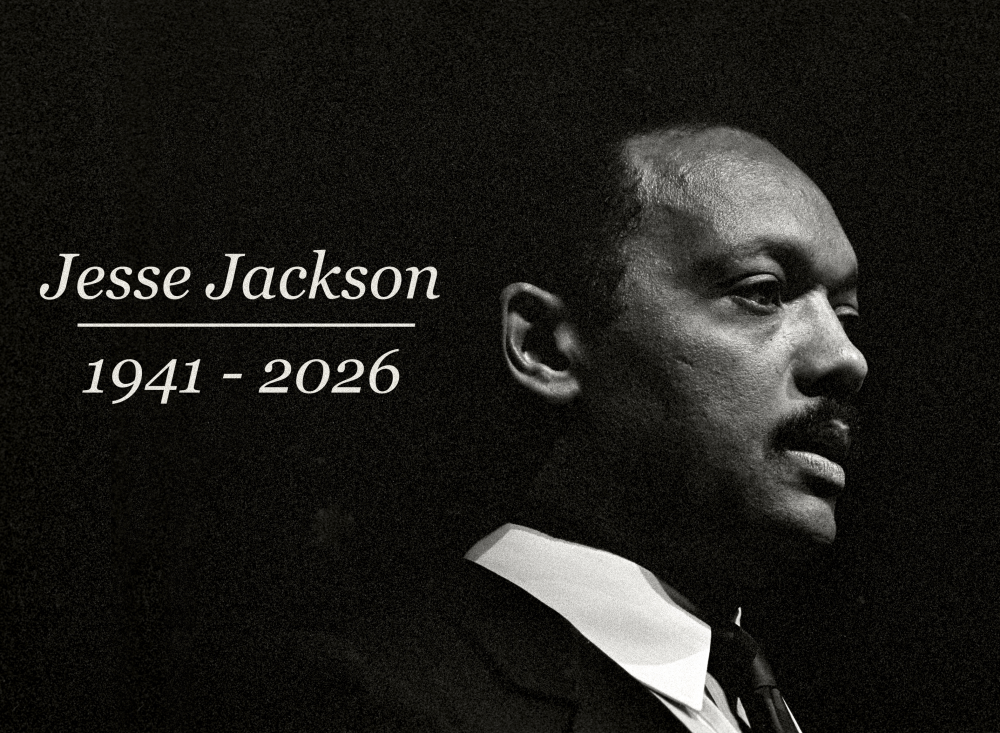
The Rev. Jesse Jackson — the civil rights activist, Baptist minister, and two-time presidential candidate who helped shape modern American politics — died this morning at age 84.
“Our father was a servant leader — not only to our family, but to the oppressed, the voiceless, and the overlooked around the world,” Jackson’s family said in a statement. “His unwavering belief in justice, equality, and love uplifted millions, and we ask you to honor his memory by continuing the fight for the values he lived by.”
The Rev. Al Sharpton — a longtime friend, a fellow minister, and one of the leaders most directly shaped by Jackson’s example — prayed with Jackson’s family in the hours after his passing and joined “Morning Joe” to reflect on his life, leadership, and enduring legacy.
MB: Rev, this is a difficult moment for you, the Jackson family, and the millions of Americans whose lives he touched. When you think about Jesse Jackson’s impact on this country, what stands out most to you?
AS: Jesse Jackson helped change American politics — and civil rights. He brought proportional representation into the primaries. Before him, you could win by two votes and take all the delegates. He changed that, which ultimately made it possible for Barack Obama to be nominated. He kept Dr. King’s dream alive.
WG: Rev, Jesse Jackson was there at the Lorraine Motel in 1968 when Dr. King was assassinated. How did that moment shape his place in the movement afterward?
AS: Rev. Jackson was the youngest person on Dr. King’s staff, almost the next generation. Dr. King’s organization was rooted in the South, but when King went to Chicago to address urban issues, that’s where he met Jesse Jackson. Jackson would later tell us stories about how Dr. King trained him and prepared him.
His responsibility was as difficult as those who came before him — maintaining the gains of the civil rights movement. Every few years, you had to fight to reauthorize the Voting Rights Act. Preserving those victories in the ’70s, ’80s, and ’90s was just as hard as winning them in the first place, and Jesse Jackson was out front leading that fight.
JS: Rev, when you think about Jesse Jackson’s presidential runs, what lasting changes did they produce in American politics?
AS: His 1984 campaign registered and energized voters who hadn’t participated before. Those newly engaged voters showed up in the 1986 midterms in states that had never seen that kind of turnout, and they literally changed Congress. That momentum carried into 1988, when he ran again.
JS: And 1988 was extraordinary. Jackson finished second to Michael Dukakis, ahead of future national figures like Al Gore and Joe Biden. As Johnny Apple wrote at the time, it was “the year of Jackson.” What was the lasting impact of that campaign?
AS: His 1988 campaign was historic — but just as important, it changed the rules. Had proportional delegate rules not been adopted, Barack Obama would not have been nominated years later. Jackson’s campaigns reshaped how presidential politics worked.
KK: After that success, why didn’t he run again?
AS: He basically was not a politician. He saw politics as a means, not an end, and believed his role was to fight in the social policy arena. He used his influence to push for what he believed was right — civil rights, voting rights, human rights.
He also widened the scope of activism. He went global — negotiating the release of hostages and intervening in international crises in ways no civil rights leader had done before.
WG: Rev, on a personal level, what did Jesse Jackson mean to you?
AS: I’ve been around Rev. Jackson for 59 years — we went through a lot together — and I will miss him greatly.
He taught me activism. He used to tell me that preaching was not just about leading one church, but about engaging the issues of the world. He was the most definitive teacher in my life.
He and Jacqueline Jackson, who has been the rock of the family and the movement, raised a family that itself represents a generational shift in America. Born and raised in segregation, they lived to see their sons serve in Congress. That arc tells you both how far the country has come — and how far we still have to go.
This conversation has been condensed and edited for brevity and clarity.
SEE YOU LATER, LIEUTENANT
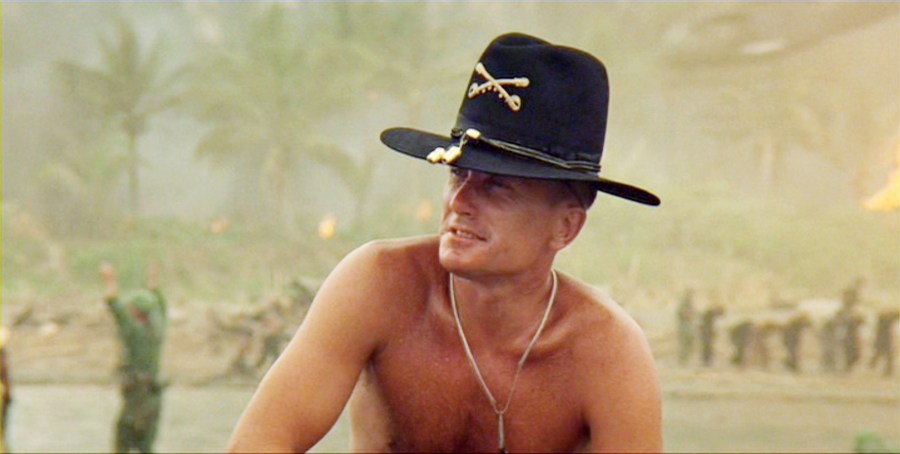
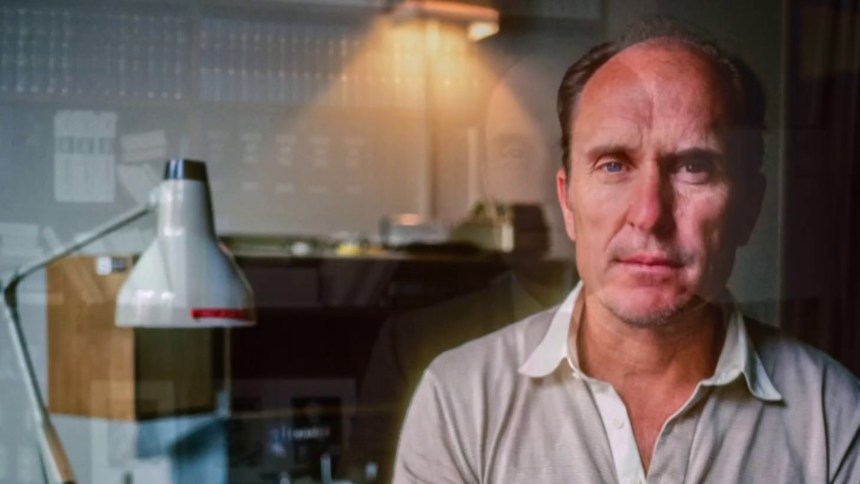
Robert Duvall, reminiscing about napalm as Lt. Colonel Kilgore, in Francis Ford Coppola’s “Apocalypse Now.” Duvall starred in many classic films during his career, from “To Kill a Mockingbird” to “The Godfather” to “Tender Mercies.” With his passing yesterday, he is being remembered as one of the greatest actors of his generation.
NEWSOM PITCHES CALIFORNIA — AND HIMSELF — TO WORLD LEADERS
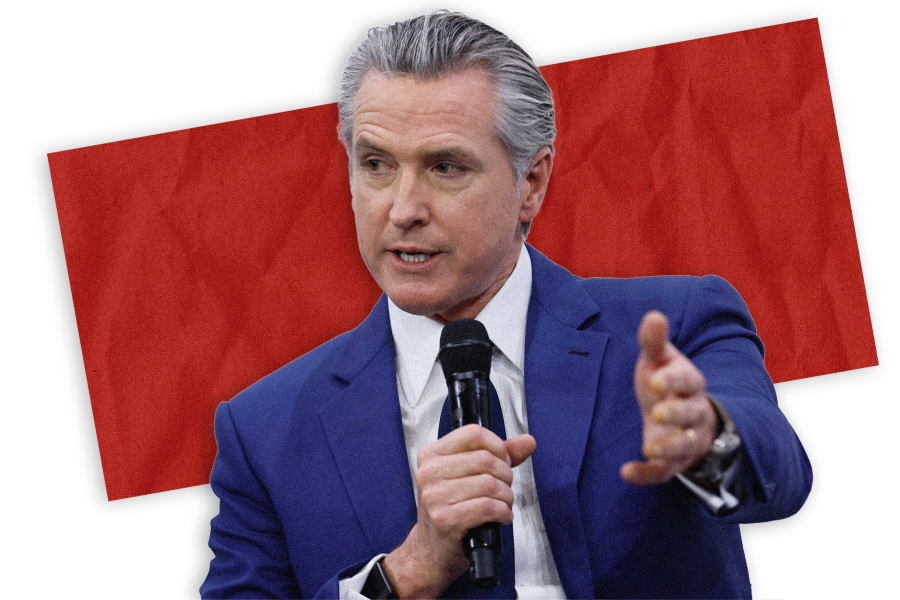
Gavin Newsom has taken his long-running duel with President Donald Trump onto the global stage, a move that has only sharpened speculation about the California governor’s 2028 ambitions.
“Donald Trump is temporary,” Newsom said at the Munich Security Conference on Friday, a line that served as both reassurance to international partners and a clear political message.
The remark followed Newsom’s headline-grabbing appearance at the World Economic Forum in Davos, Switzerland, weeks earlier, where he joked he “should have brought a bunch of kneepads” — a pointed aside about world leaders he viewed as bending to Trump.As Newsom’s presence abroad grows more conspicuous, so does the buzz back home. Axios reports that House Speaker Emerita Nancy Pelosi has become increasingly vocal about the prospect of a Newsom White House bid.
ONE MORE SHOT
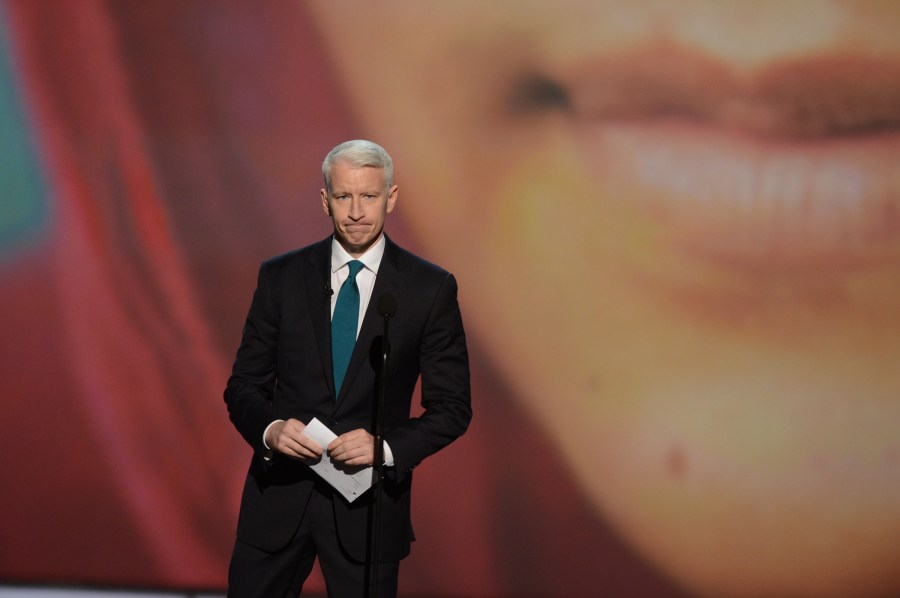
Anderson Cooper bids farewell to “60 Minutes” and CBS News. The former “Tiffany network” has been under fire in recent months for pulling news stories critical of Donald Trump and retaining a “medical” contributor with close ties to Jeffrey Epstein.
CATCH UP ON MORNING JOE




Former Rep. Joe Scarborough, R-Fla., is co-host of MS NOW's "Morning Joe" alongside Mika Brzezinski — a show that Time magazine calls "revolutionary." In addition to his career in television, Joe is a two-time New York Times best-selling author. His most recent book is "The Right Path: From Ike to Reagan, How Republicans Once Mastered Politics — and Can Again."