




I wish that I could have been in the pitch meeting at CBS when “The Activist” was presented. What could it have been that sold the network on the idea of pitting six activists against each other in a reality competition show for the chance to meet with world leaders in Rome?
Whatever it was, it worked, leading to last week’s news that Usher, Priyanka Chopra Jonas, and Julianne Hough were set to co-host the five-episode show when it debuted in October. What they didn’t anticipate, though, was the nearly instantaneous backlash the show received online. The criticism was so intense that CBS, along with producers Global Citizen and Live Nation, announced on Wednesday that they were completely retooling the show.
The tone of the announcement made clear that neither the network nor the producers had expected this response. And maybe in another era “The Activist” as first designed would have been a hit — but not in 2021.
The biggest problem “The Activist” faced was that the project desperately misread its audience.
The show instead will be revamped into a primetime documentary highlighting the work the former competitors do. The special “will showcase the tireless work of six activists and the impact they have advocating for causes they deeply believe in,” the joint CBS/Global Citizen/LiveNation statement read. “Each activist will be awarded a cash grant for the organization of their choice, as was planned for the original show.”
It’s a huge shift, and a costly one, as much of the footage that had already been shot is now likely useless. The producers are still probably still struggling to figure out what went wrong. The answer is actually simple: The biggest problem “The Activist” faced was that the project desperately misread its audience.
The original framing of the show reflected the thinking of large-scale nonprofits like Global Citizen, whose biggest single expense every year is an annual concert series. Hosted alongside Live Nation, the multi-country event is anchored in its New York City show at Central Park. This year’s iteration is slated to have performances from Coldplay, Billie Eilish, Camila Cabello, Jennifer Lopez, Lizzo, Meek Mill, and Shawn Mendes.
Tickets to these concerts have been a hot commodity in past years. The 2019 Global Citizen festival drew in 60,000 attendees to listen to the musical performances interspersed with the occasional PSA about ending poverty by 2030. Attendance is earned, per the organization, by downloading its app and taking actions like “signing petitions, sending emails, or making phone calls to leaders, asking them to make commitments on our issues” to earn “festival points.” Enough points and individuals will be able to cash in for free tickets to the show. (Or you may have just skipped all that and bought the now sold-out VIP tickets.)
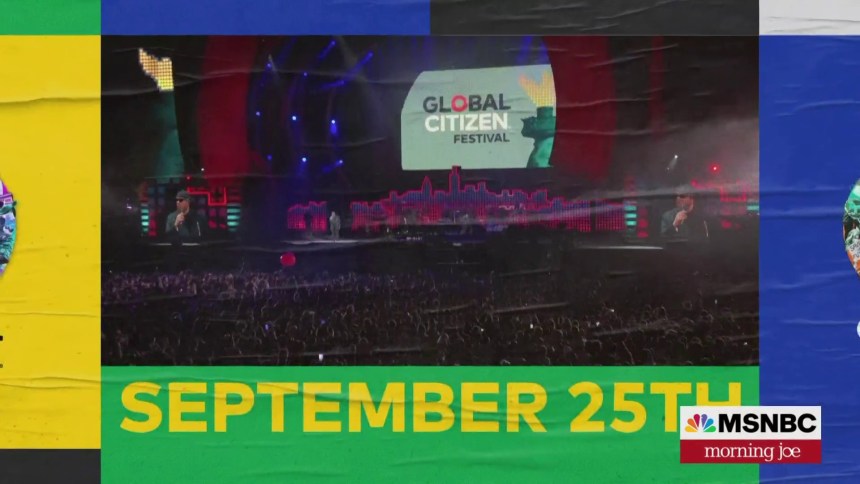
According to IRS records, the organization spent about $17 million in production and consulting expenses to put on its festivals and related events in 2019. Another $14 million was spent on its other awareness campaigns surrounding extreme poverty. This isn’t exactly chump change.
There’s nothing inherently wrong or shady about the model that Global Citizen embodies, nor is it alone in utilizing it, and my intention isn’t to pick on it exclusively. A vast swath of the nonprofit industry — and it is an industry — is framed around the idea that awareness campaigns can generate lasting effects. If only the average American were just aware of how bad issues like extreme poverty are, the thinking goes, then those newly educated masses can in turn pressure the people in charge to make the necessary changes in policy. As far as theories of change go, it’s a tried and true one that’s mirrored by just about every niche issue you can imagine.
The celebrity-focused awareness campaign model has become the exact opposite of what the center-left-to-left do-gooder crowd wants to see.
I can see why the success of the Global Citizen Festival, which MSNBC broadcast live in 2019, probably helped greenlight “The Activist.” The same people who turn out to watch the concerts or stream them would definitely tune in to a more dynamic reality show format, right? After all, it’s all for a good cause.


But what they didn’t consider is the way the last year in particular has changed many Americans’ view of activism. The celebrity-focused awareness campaign model has become the exact opposite of what the center-left-to-left do-gooder crowd wants to see. Did they really think the draw of Usher and Chopra Jonas’s opinions on TikTok campaigns would appeal to the same people who were in the streets protesting police brutality last year?
“This show will be arriving in a moment when real, on-the-ground activists are engaged in some of the most consequential battles imaginable — voting rights, climate change, economic and digital equity, health disparities, police reform, and the future of democracy,” Michele Norris wrote at the Washington Post. “And when there are already too many people who dismiss their efforts as wokeness run amok.”

The thought of pitting activists against each other in competition for resources felt particularly ghoulish. Especially when the announced judges, multimillionaires all, could just cut a check to each of these groups without breaking a sweat. The class politics alone should have been a red flag for the showrunners.
One of the best reasons I saw for why this show fizzled before it even aired wasn’t in one of the other essays about the backlash to “The Activist.” It was tucked into a piece in New York Magazine’s The Intelligencer about the 10-year anniversary of Occupy Wall Street:
Befuddled pundits criticized the movement for its lack of clearly enumerated demands. But in fact it was the mandarins in the press who displayed a startling naïvete about how politics work, not the motley and mostly inexperienced group that gathered at Zuccotti Park. Social change, sadly, is not as simple as citizens respectfully presenting well-conceived proposals to the people in charge.
And that, ultimately, is the blind spot that this show fell into for Global Citizen and CBS. The model they promote is one that focuses inherently on the centers of power that currently exist. The pressure points they seek to utilize are the ones that are baked in: Call your senator, tag this business in your tweet, show up at this concert.
Today’s activists, the ones doing the work, are out there attempting to change the existing power structures. The most committed of them are forcing conversations on whether the police are even necessary, treating climate change as morally urgent as the Holocaust, whether billionaires are even ethical, and how to directly aid each other instead of piping our funds through a nonprofit that’s worth millions. That’s not something that can be done through the kind of gimmick that “The Activist” originally hoped to exploit. You can’t sell commercials against that kind of message.
In the end, CBS could have saved itself a lot of time and money if they’d just listened to Gil Scott-Heron’s prediction: The revolution will not be televised.

Hayes Brown is a writer and editor for MS NOW. He focuses on politics and policymaking at the federal level, including Congress and the White House.